A simple, soil-free way to enjoy fresh herbs anytime
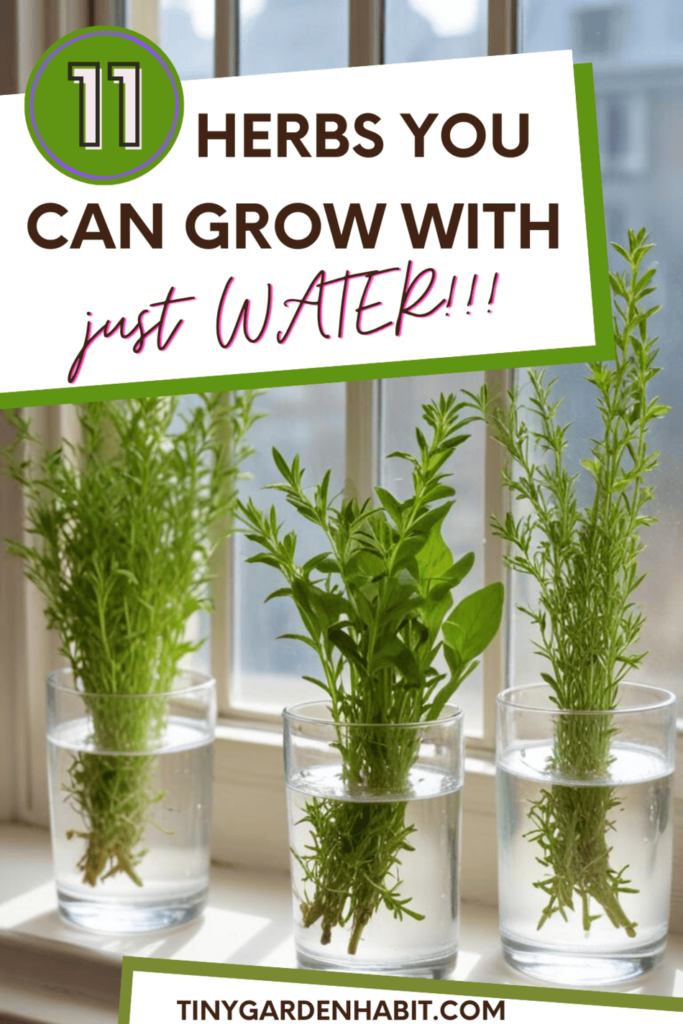
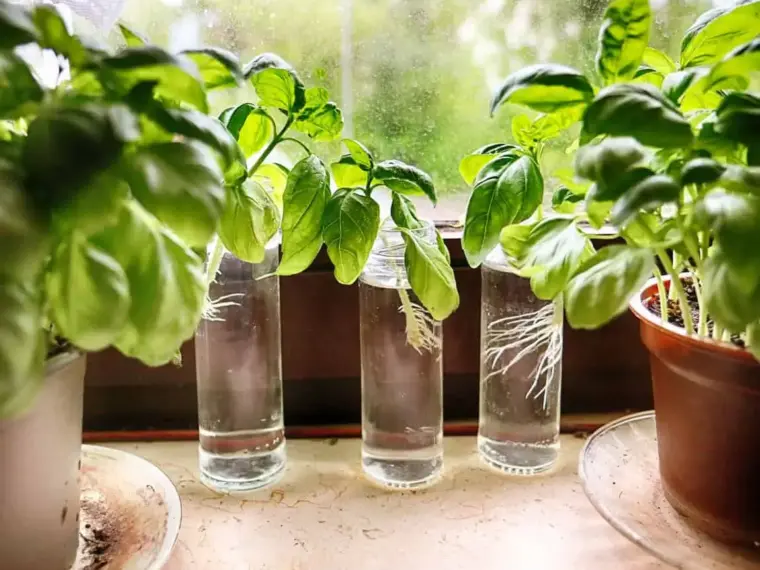
If you love fresh herbs but don’t want to deal with soil, mess, or outdoor gardening, growing herbs in water is a smart solution. Many popular herbs can thrive in nothing more than a glass of clean water and a bright spot in your home.
This method works year-round, takes very little effort, and fits perfectly in small spaces. With the right setup and basic care, you can keep herbs growing continuously without planting them in soil.
Below, you’ll learn which herbs grow best in water, how to care for them, and how to keep them healthy long-term.
Why Growing Herbs in Water Works
Herbs are resilient plants. Many varieties root easily from cuttings and adapt well to water-based growing.
When you grow herbs in water, you benefit from:
- No soil, dirt, or pests
- Minimal maintenance
- Easy monitoring of root health
- Year-round indoor growing
- Quick access to fresh herbs for cooking
As long as your herbs receive light and clean water, they can continue producing new growth for months.
How to Start Herbs in Water the Right Way
Before choosing specific herbs, it helps to understand the basic setup.
What You’ll Need
- Healthy herb cuttings (4–6 inches long)
- Clean glass jars or cups
- Fresh water
- Bright, indirect sunlight
Basic Steps
- Cut the herb just below a leaf node
- Remove lower leaves so they don’t sit in water
- Place the stem in water, keeping leaves above the surface
- Change the water every few days
- Place the jar near a bright window
Once roots appear, your herb is officially growing in water.
1. Basil
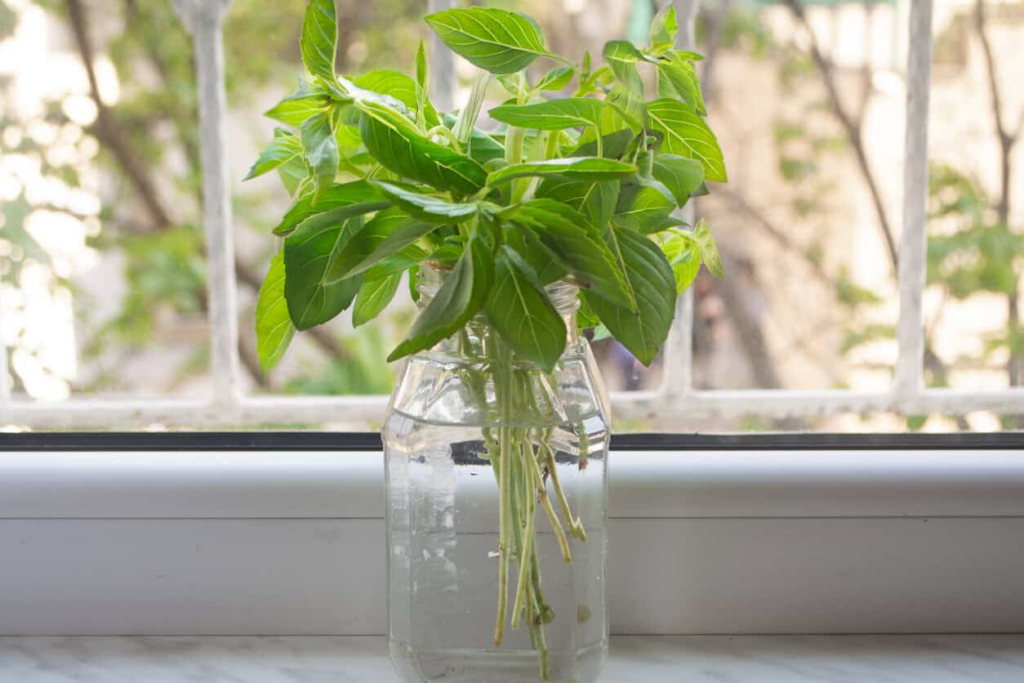
Basil is one of the easiest herbs to grow in water and responds quickly to this method.
You’ll notice roots forming within a few days if the cutting is fresh and healthy. Basil loves warmth and bright light, so place it near a sunny window.
To keep basil thriving:
- Change the water every two to three days
- Trim the top regularly to prevent flowering
- Keep it away from cold drafts
With regular pruning, basil can continue producing new leaves for months.
2. Mint
Mint is nearly impossible to stop once it starts growing, which makes it perfect for water propagation.
It roots fast and grows aggressively, even in simple containers. This is one reason mint spreads so easily in gardens.
Helpful tips:
- Use a wide jar to allow root expansion
- Refresh the water often to prevent odor
- Trim frequently to control growth
Mint grown in water stays flavorful and fresh year-round.
3. Rosemary
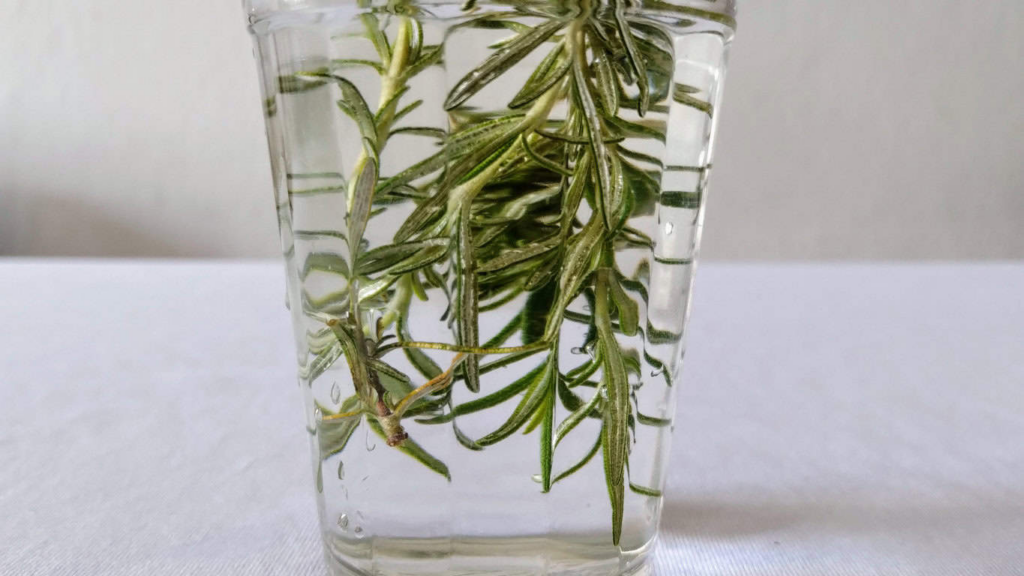
Rosemary grows more slowly than softer herbs, but it can still adapt to water growing with patience.
Choose young, flexible stems rather than woody ones. Roots take longer to form, but once established, rosemary becomes more stable.
For best results:
- Keep water very clean
- Place in strong indirect light
- Avoid overhandling the cutting
Rosemary may not grow as fast, but it can live in water for extended periods.
4. Thyme
Thyme is a compact herb that works well in water when you start with fresh cuttings.
Because thyme grows slowly, it’s ideal if you want a low-maintenance herb that doesn’t require constant trimming.
Care tips:
- Use a narrow container to support the stem
- Keep leaves dry and above water
- Be patient during root development
Once rooted, thyme continues growing steadily with minimal effort.
5. Oregano
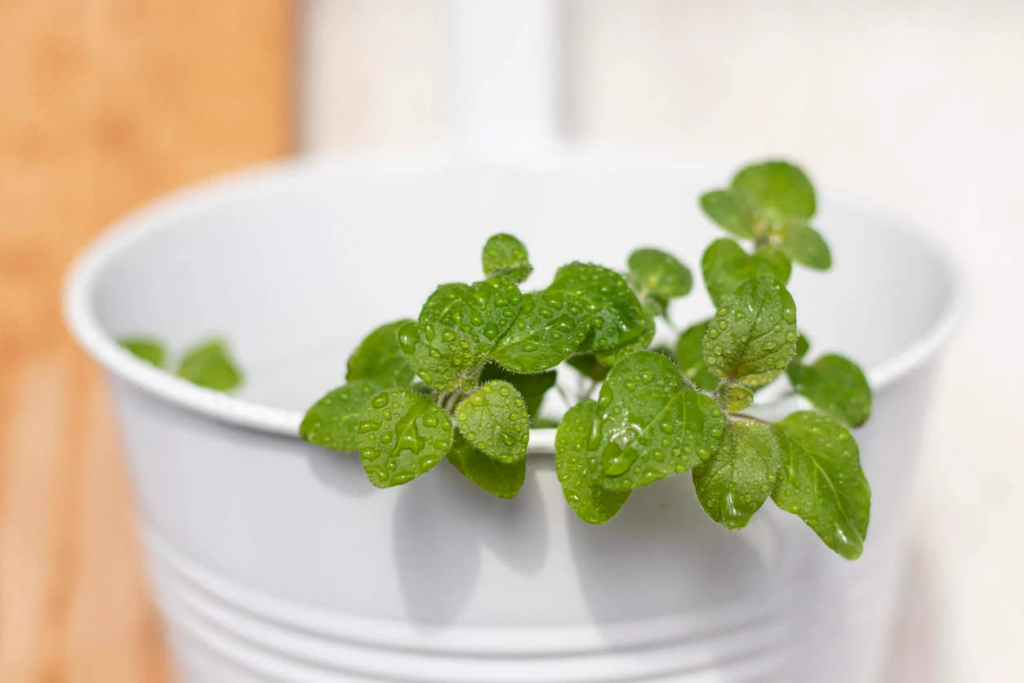
Oregano adapts well to water growing and produces strong roots quickly.
It prefers bright light and benefits from regular trimming, which encourages bushier growth.
To keep oregano healthy:
- Change water twice a week
- Trim long stems to prevent legginess
- Rotate the container for even light exposure
Oregano grown in water keeps its aroma and flavor strong.
6. Parsley
Parsley takes longer to root than some herbs, but once it does, it grows reliably.
Flat-leaf parsley tends to adapt better to water than curly varieties.
Helpful guidance:
- Use fresh cuttings, not store-bought leftovers
- Be patient during the first two weeks
- Keep the container near steady light
Parsley grown in water works best for leaf harvesting rather than long-term storage.
7. Cilantro
Cilantro can grow in water, but it has a shorter lifespan than most herbs.
It grows quickly, produces leaves fast, and then slows down. This makes it ideal for short-term use.
Best practices:
- Start new cuttings often
- Harvest leaves early
- Keep water cool and fresh
Even with its short life cycle, cilantro is worth growing in water for quick harvests.
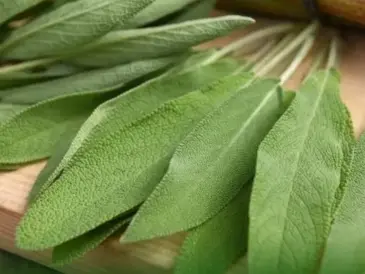
8. Sage
Sage grows well in water if you start with soft, new growth.
It prefers bright light and clean conditions, as cloudy water can affect its roots.
Tips for success:
- Use shallow water levels
- Replace water frequently
- Avoid overcrowding roots
Sage grown in water remains fragrant and useful for cooking.
9. Lemon Balm
Lemon balm is a member of the mint family, which explains how easily it grows in water.
It roots quickly and produces lush leaves under good light.
To keep lemon balm thriving:
- Trim often to prevent legginess
- Use a clear container to monitor roots
- Keep away from excessive heat
Its mild citrus scent stays strong even when grown without soil.
10. Chives
Chives adapt surprisingly well to water, especially when grown from fresh cuttings.
They prefer bright light and benefit from frequent harvesting.
Helpful care tips:
- Trim from the top, not the base
- Keep water fresh to prevent slime
- Separate stems if growth becomes crowded
Chives grown in water continue producing thin, flavorful shoots.
11. Tarragon
Tarragon is less common but still possible to grow in water under the right conditions.
French tarragon works best, though it requires patience during rooting.
What helps most:
- Warm temperatures
- Consistent light
- Minimal disturbance
Once established, tarragon can grow steadily in water with proper care.
How to Keep Water-Grown Herbs Healthy Long-Term
Growing herbs in water works best when you maintain a clean environment.
Follow these general rules:
- Change water every 2–3 days
- Rinse roots gently if buildup appears
- Remove any yellow or dying leaves
- Avoid direct, harsh sunlight
If growth slows, you can add a tiny amount of liquid plant nutrients, but this is optional.
Common Mistakes to Avoid
Even though this method is simple, a few mistakes can cause problems.
Avoid:
- Letting leaves sit in water
- Using dirty containers
- Ignoring cloudy water
- Placing herbs in low light
Fixing these issues quickly helps your herbs recover fast.
Final Thoughts
Growing herbs in water is one of the easiest ways to enjoy fresh flavors all year long. You don’t need a garden, soil, or advanced skills. With clean water, good light, and regular trimming, your herbs can stay productive for months.
This method is perfect if you want a cleaner, simpler approach to indoor growing while still enjoying real results.
Call to Action
Now that you know how easy it is to grow herbs in water, choose one herb today and start your first jar. If this guide helped you, share it with someone who loves cooking or indoor plants. Save it for later, try multiple herbs, and turn your kitchen into a year-round source of fresh flavor.