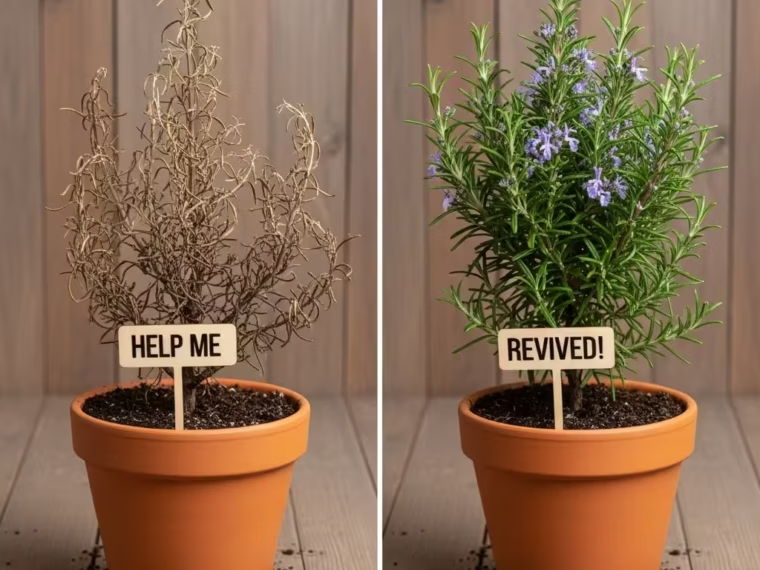
You plant rosemary with such optimism. This aromatic powerhouse promises to elevate your cooking, fill your garden with fragrance, and supposedly thrive with minimal care. Then reality hits—your rosemary starts looking sad, stops growing, and eventually gives up entirely.
If this sounds like your rosemary story, you’re in good company. Even experienced gardeners often struggle with this seemingly simple herb. But here’s the thing: there’s usually one major culprit behind rosemary failure, and once you understand it, keeping rosemary alive becomes surprisingly straightforward.
The Hidden Killers of Rosemary Plants
Rosemary might be tough enough to survive Mediterranean hillsides, but in typical garden conditions, it faces some serious challenges. Let’s identify the usual suspects.
1. Drowning in Kindness (Overwatering)
This is the big one. Rosemary evolved in dry, rocky Mediterranean conditions where rain is scarce and soil drains quickly. When we treat it like a typical garden plant with regular watering, we’re essentially drowning it.
Warning signs your rosemary is waterlogged:
- Leaves turning yellow from the bottom up
- Stems becoming soft and dark
- White fuzzy growth (mold) around the soil surface
- A generally wilted appearance despite moist soil
2. Heavy, Clingy Soil
Even with careful watering, dense clay soil or moisture-retentive potting mixes can spell disaster. Rosemary roots need oxygen, and waterlogged soil suffocates them. Root rot sets in quickly, and once it starts, it’s often game over.
3. Living in the Shadows
Rosemary is a sun worshipper that needs 6-8 hours of direct sunlight daily. In shade or partial shade, it becomes weak, stretched out, and vulnerable to diseases. Low light also slows growth and reduces the essential oils that give rosemary its distinctive flavor and aroma.
4. Winter Shock
Most rosemary varieties can’t handle freezing temperatures. If you live in USDA zones 6 or colder, outdoor rosemary plants often don’t survive winter without protection. Even in milder zones, unexpected cold snaps can damage or kill unprotected plants.
The Game-Changing Solution: The Unglazed Clay Pot Method
TO CONTINUE READING THE ARTICLE PLEASE SEE PAGE 2