
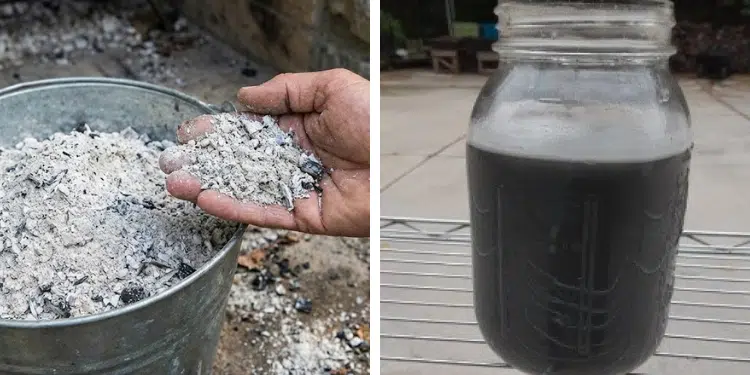
Before store-bought cleaners, fertilizers, and chemical solutions became common, households relied on simple materials that worked quietly and effectively.
Wood ash and vinegar were two of the most trusted staples. Individually, they are powerful. Together, they form a surprisingly versatile duo that can be used for cleaning, gardening, odor control, pest deterrence, and even traditional home care.
This combination works because wood ash and vinegar represent opposite chemical forces. Wood ash is alkaline and mineral-rich, while vinegar is acidic and dissolving.
When used thoughtfully and separately or sequentially, they solve many everyday problems without harsh chemicals, high costs, or environmental harm.
Why Wood Ash and Vinegar Work So Well Together
Wood ash comes from burned untreated wood and contains potassium, calcium, magnesium, and trace minerals.
It has been used historically to clean, fertilize soil, neutralize odors, and deter pests. Vinegar, rich in acetic acid, cuts grease, dissolves mineral buildup, kills odor-causing bacteria, and discourages insects.
When used correctly, this duo:
- balances acidity and alkalinity
- breaks down grime and buildup
- neutralizes odors instead of masking them
- supports soil health naturally
- replaces many chemical household products
The key is understanding how and when to use them – not mixing them blindly, but using their strengths strategically.
1. A Traditional Natural Cleaner for Tough Grime
Wood ash has long been used as a gentle abrasive. Its fine texture makes it effective for scrubbing without scratching most surfaces. Vinegar dissolves grease, soap scum, and mineral deposits.
Used one after the other, they are especially effective for:
- stovetops
- glass doors on wood stoves
- fireplace surrounds
- metal tools
- outdoor furniture
Ash loosens grime, while vinegar removes residue and restores shine.
2. Removes Odors at the Source
Wood ash absorbs moisture and neutralizes odors naturally, while vinegar breaks down odor-causing bacteria. Together, they work exceptionally well in areas where smells linger.
They are often used for:
- trash bins
- compost containers
- pet areas
- basements
- outdoor sheds
Instead of covering smells with fragrance, this duo eliminates the cause.
3. A Powerful Soil Amendment for Gardens
Wood ash has been used for centuries as a natural fertilizer. It adds potassium and calcium to soil and helps reduce excessive acidity. Vinegar, when diluted, can help manage weeds and clean garden tools.
Used responsibly, they help:
- improve soil structure
- support flowering and fruiting plants
- discourage slugs and ants
- maintain garden hygiene
This makes them especially useful in organic and traditional gardening.
4. Natural Pest Deterrent Around the Home and Garden
Wood ash creates a dry, alkaline barrier that many pests dislike. Vinegar’s strong scent and acidity disrupt insect trails.
Together, they help deter:
- ants
- slugs and snails
- flies
- beetles
- rodents (by scent deterrence in outdoor areas)
Ash can be sprinkled in dry areas, while vinegar is used as a cleaning or spraying solution – never mixed directly.
5. Keeps Paths, Walkways, and Outdoor Areas Safer
Historically, wood ash was spread on icy walkways to improve traction. It absorbs moisture and reduces slipping. Vinegar can later be used to clean residue once ice melts.
This method was common in colder climates long before modern ice melts existed.
6. Helps Clean and Restore Metal Surfaces
Wood ash gently polishes metal, while vinegar removes oxidation and dullness. This combination is often used to clean:
- garden tools
- fireplace accessories
- old hinges and hardware
- metal cookware (non-coated)
It restores shine without harsh abrasives or chemical fumes.
7. Neutralizes Strong Chemical Smells
After painting, cleaning, or exposure to strong odors, wood ash helps absorb airborne smells. Vinegar further neutralizes lingering chemical residues on surfaces.
This is especially helpful in:
- garages
- workshops
- newly cleaned rooms
- storage areas
Both materials improve indoor air quality naturally when used correctly.
8. Supports Compost Health and Balance
Wood ash adds minerals to compost and helps balance overly acidic piles. Vinegar is not added directly to compost, but can be used to clean compost bins and control flies around them.
Together, they support:
- better compost breakdown
- reduced odor
- healthier finished compost
Moderation is essential to avoid disrupting compost balance.
9. Traditional Household Hygiene Uses
In traditional homes, ash and vinegar were used to scrub floors, clean utensils, and maintain sanitation. Ash provided abrasion and mineral cleansing, while vinegar disinfected and deodorized.
These methods were especially valued because they required no purchased products and worked reliably.
Important Safety and Usage Notes
Wood ash and vinegar should not be mixed together in advance, as they neutralize each other chemically. Instead, they are best used in sequence or for different purposes.
Only use ash from untreated wood. Avoid ash from painted, stained, or chemically treated materials. Vinegar should always be diluted for most household uses.
Avoid using either on delicate surfaces such as marble, natural stone, or sealed finishes without testing first.
Why This Duo Is Being Rediscovered Today
As more people seek natural, affordable, and sustainable household solutions, traditional combinations like wood ash and vinegar are returning to everyday use.
They reduce chemical exposure, lower household costs, and reconnect modern living with time-tested practices.
In an era of single-use products, this duo offers versatility, simplicity, and effectiveness – all from materials many homes already have.
Wood ash and vinegar may seem ordinary, but together they represent centuries of household wisdom