Like this post? Share or pin it for later!
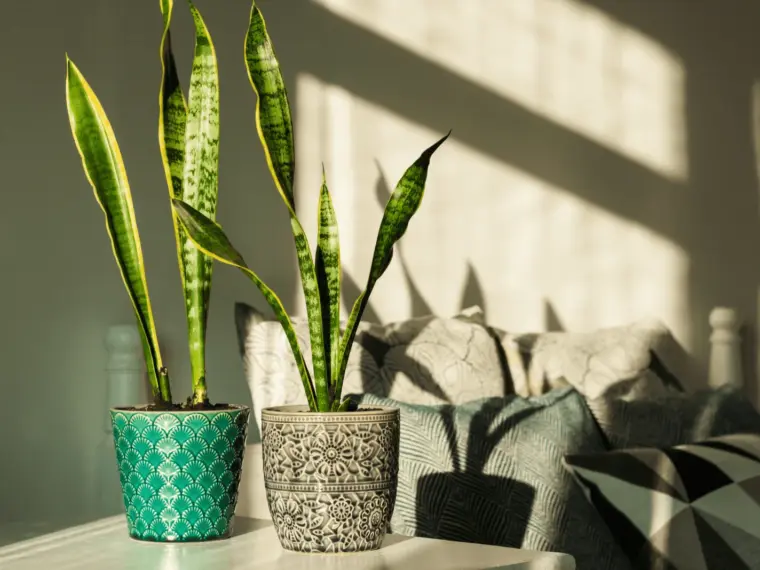
Buying a new pot for your snake plant can feel exciting and overwhelming at the same time. You want something that looks great in your space, but you also need to think about what keeps your plant healthy. A pot is more than decoration. It is your plant’s home, and the wrong choice can cause real problems over time.
Even though snake plants are known for being tough and forgiving, they still need the right conditions to grow well. Drainage, pot size, material, temperature, and humidity all play a role in how your plant performs. Choosing the right pot helps prevent issues like root rot, stunted growth, and pest problems.
This guide walks you through everything you need to know so you can confidently choose a pot that supports your snake plant’s long-term health while still fitting your style.
Why Pot Choice Matters for Snake Plants
Function always comes before appearance. A beautiful pot means nothing if it traps water or restricts root growth. Snake plants, also known as Sansevieria or Mother-in-Law’s Tongue, store moisture in their leaves and roots. Because of that, excess water is one of their biggest enemies.
When choosing a pot, you need to consider:
- Pot size
- Snake plant variety
- Watering habits
- Drainage
- Pot material
- Temperature and humidity
- Indoor or outdoor placement
Each factor works together. Ignoring even one can lead to slow growth or serious damage.
1. Choosing the Right Pot Size
Pot size is one of the most important decisions you will make for your snake plant. The wrong size can either drown the roots or leave them cramped and stressed.
General Size Guidelines
- Choose a pot that is about one-third wider than the root ball
- For young plants, a pot around 4 inches wide and deep usually works well
- Avoid very deep pots, as they hold excess soil and moisture
Snake plants prefer being slightly snug, but not crowded. A pot that is too large holds more soil than the roots can use, which increases the risk of overwatering.
Problems With Incorrect Pot Sizes
- Too large: soil stays wet too long, leading to root rot
- Too small: roots become compacted, slowing growth
Because snake plants grow slowly, these issues often go unnoticed until damage is already done.
Signs Your Snake Plant Needs Repotting
Your plant will tell you when it has outgrown its container. Watch for these signs:
- Roots pushing out of drainage holes
- Soil drying out unusually fast
- Little to no new growth during the growing season
- Increased pest activity
Repotting is best done in late winter or early spring, just before active growth begins. Always move your plant into a slightly larger pot, not a dramatically bigger one.
Before repotting, water the plant lightly the day before. This makes removal easier and reduces stress. Trim away any soft, dark, or damaged roots before placing the plant into fresh, well-draining soil.
2. Pot Size Based on Snake Plant Variety
Not all snake plants grow the same. Some stay compact, while others grow tall and wide. Knowing your variety helps you choose the right pot depth and width.
Smaller and Dwarf Varieties
These plants stay under 10 inches tall and prefer shallow pots.
Common dwarf types include:
- Hahnii
- Twisted Sister
- Pavra
- Kirkii Silver Blue
These varieties are ideal for shelves, desks, and windowsills.
Larger Varieties
Taller snake plants need deeper, sturdier pots to stay balanced.
Examples include:
- Cylindrica
- Masoniana
- Ehrenbergii
- Bacularis
These plants work well as floor plants and can thrive even in low-light spaces like offices.
3. Understanding Your Watering Habits
Snake plants do not like frequent watering. You should always allow the soil to dry out completely before watering again. Because of this, pot material plays a major role in moisture control.
Pots fall into two main categories: porous and non-porous.
4. Porous vs Non-Porous Pots
Porous Pots
Porous pots allow air and water to pass through the material.
Common porous materials include:
- Terracotta
- Clay
- Concrete
Benefits:
- Reduce the risk of overwatering
- Improve airflow around roots
- Ideal if you tend to water too often
Drawbacks:
- Can stain surfaces
- Dry out faster
- Roots are not visible
These pots are a great choice for beginners who worry about watering too much.
Non-Porous Pots
Non-porous pots retain moisture and block airflow.
Examples include:
- Plastic
- Glazed ceramic
- Metal
- Fiberglass
Benefits:
- Hold moisture longer
- Good if you forget to water
- Often more decorative
Drawbacks:
- Higher risk of water buildup
- Require careful watering
- Some materials can rust or rot
Always make sure non-porous pots have drainage holes.
5. The Importance of Drainage
Drainage is non-negotiable for snake plants. Without it, water collects at the bottom of the pot and suffocates the roots.
If your pot does not have drainage holes, you have two options:
- Drill holes yourself
- Place the plant in a plastic nursery pot and set it inside the decorative pot
Never allow your snake plant to sit in standing water. Proper drainage is the fastest way to prevent root rot.
6. Choosing the Best Pot Material
Each material has strengths and weaknesses. Your environment and watering habits should guide your choice.
Terracotta
- Breathable and moisture-regulating
- Great for humid spaces
- Requires more frequent watering
Plastic
- Lightweight and affordable
- Retains moisture
- Must have drainage holes
Ceramic
- Heavy and stable
- Decorative and stylish
- Holds moisture longer
Concrete
- Extremely sturdy
- Best for outdoor use
- Very heavy
No single material is perfect. The best choice is the one that balances your plant’s needs with your lifestyle.
7. Temperature and Humidity Considerations
Temperature and humidity directly affect how quickly soil dries.
- Warm, dry rooms dry soil faster
- Cool or humid spaces slow evaporation
If your home is humid, porous pots help prevent soggy soil. In dry, warm environments, non-porous pots help retain moisture.
No matter the environment, always pair your pot with well-draining soil.
8. Indoor vs Outdoor Placement
Snake plants are mostly grown indoors, but they can live outside in warm climates.
Outdoor Growing Tips
- Use pots with extra drainage
- Add perlite to improve soil drainage
- Avoid cachepots outdoors
- Choose heavy pots in windy areas
Snake plants grow best outdoors in USDA zones 9 to 11. They tolerate bright light, indirect light, and even low light without issues.
Snake Plant Care Basics
Snake plants are low-maintenance, but a few basics make a big difference.
Soil Requirements
- pH range: 5.5 to 7.0
- Use well-draining soil
- Mix regular potting soil with cactus mix or perlite
Watering Schedule
- Let soil dry completely between waterings
- Water more often in bright light
- Reduce watering in winter
Moist soil is good. Wet soil is not.
Light Needs
- Bright, indirect light is ideal
- Tolerates low light
- Avoid long exposure to direct sun
Fertilizing
- Feed once a month during the growing season
- Use diluted liquid fertilizer
- Skip feeding in fall and winter
Temperature Range
- Ideal range: 65–85°F
- Can tolerate brief extremes
- Avoid cold drafts and frost
Pruning
- Remove damaged leaves during the growing season
- Use clean, sharp tools
- Root pruning can be done during repotting
Propagation Methods
Snake plants are easy to propagate.
Water Propagation
- Cut a healthy leaf
- Place in water
- Change water weekly
- Transfer to soil once roots form
Soil Propagation
- Dip cuttings in rooting hormone
- Plant in moist soil
- Keep warm and bright
Common Problems to Watch For
- Brown or splitting leaves
- Cold damage
- Pest infestations
Common pests include mealybugs, spider mites, and aphids. Healthy plants are less likely to attract pests. Neem oil or rubbing alcohol can help with infestations.
Final Thoughts
Snake plants are one of the easiest and most rewarding plants you can grow. When you choose the right pot, you set your plant up for years of healthy growth. Size, material, and drainage matter far more than style alone.
Take the time to match your pot to your environment and habits. A thoughtful choice now saves you from problems later.
If this guide helped you, take action today. Review your current pots, make improvements where needed, and share this information with other plant lovers who want healthier snake plants in their homes.
Like this post? Share or pin it for later!