
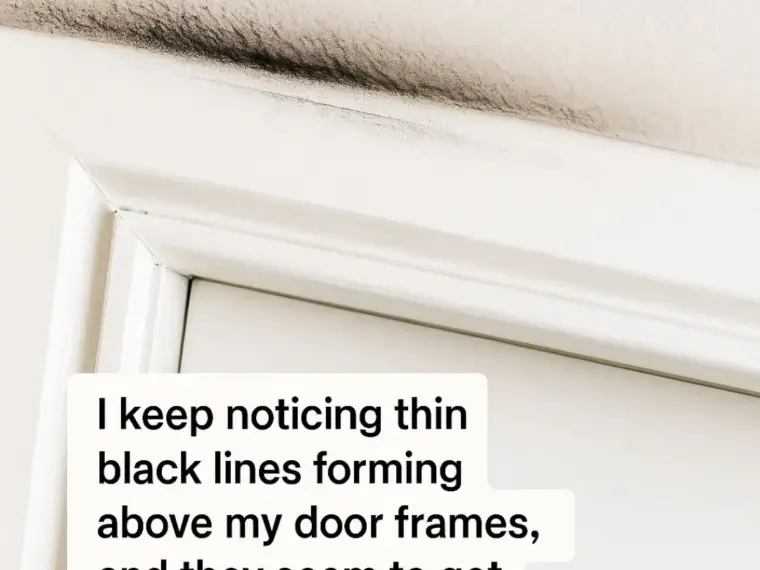
As the colder months approach, many homeowners begin to notice peculiar changes around their homes that seem to correlate with the dropping temperatures. One such mystery is the appearance of thin black lines above door frames, which seem to become more pronounced with each passing winter. These lines are not just an aesthetic concern but can also be indicative of underlying issues within the home.
Understanding the cause of these lines is crucial to addressing them effectively. Often mistaken for mold or dirt, these lines are usually a phenomenon known as thermal tracking or ghosting. This article will explore the reasons behind these mysterious lines, why they appear more prominently in winter, and what steps can be taken to prevent and remedy them.
Why Those Mysterious Black Lines Appear Above Door Frames
The black lines appearing above door frames are typically caused by a combination of dust settling on cooler surfaces and the thermal bridging effect. This effect occurs when there are variations in temperature between different parts of a wall or ceiling. In areas where insulation is lacking or where there are air leaks, cooler spots form, attracting dust and soot particles that settle over time, creating visible lines.
These lines are more common in older homes with less effective insulation and can be exacerbated by factors such as poor ventilation and the presence of airborne particles. The lines are not harmful in themselves but can indicate areas where energy efficiency improvements are needed.
1. Thermal Tracking: The Hidden Culprit Behind Winter Soot Lines
Thermal tracking, also known as ghosting, is a phenomenon where soot and dust particles adhere to cooler surfaces, creating dark lines or patterns. This typically occurs when warm, moist air comes into contact with cooler surfaces like walls or ceilings, causing the moisture to condense and attract particles.
In homes, thermal tracking is often seen near cold spots such as the edges of insulation, around studs, or above door frames where temperature differences are more pronounced. These lines can appear as thin as a pencil line or as wide as an inch, depending on the extent of the temperature differential.
2. How Warm Air Currents Create Perfect Dust Highways
Warm air currents within a home can carry dust and soot particles throughout the living space. As warm air rises and comes into contact with cooler surfaces, it can create ‘highways’ for these particles to settle. This is particularly noticeable above door frames, where temperature changes are common.
The movement of warm air is influenced by factors such as the home’s heating system, the layout of the rooms, and the positioning of doors and windows. When these particles accumulate over time, they create the visible lines that many homeowners notice during the winter months.
3. Insulation Gaps and Cold Spots That Outline Your Door Frames
Poor insulation or gaps in insulation can lead to cold spots along walls and ceilings. These cold spots are prime areas for thermal tracking to occur, as they create a temperature differential that attracts dust and soot. Above door frames, where structural components may interrupt insulation, these cold spots are particularly common.
Improperly sealed doors and windows can also contribute to these cold spots by allowing cold air to seep in, further exacerbating the temperature difference and encouraging the accumulation of dust particles. Addressing these insulation gaps can significantly reduce the occurrence of black lines above door frames.
4. Everyday Dust, Candle Soot, and Cooking Fumes Feeding the Stains
The particles responsible for thermal tracking often originate from everyday activities within the home. Dust is ubiquitous, but additional contributions come from burning candles, cooking, and even smoking indoors. Each of these activities releases soot and fine particulate matter into the air.
When these particles encounter cooler surfaces, particularly during the winter months when insulation is less effective and air circulation is reduced, they settle and form the dark lines indicative of thermal tracking. Reducing the use of candles, ensuring proper kitchen ventilation, and maintaining clean surfaces can help mitigate these effects.
5. Why the Lines Get Darker Every Winter (And Not So Much in Summer)
The darkening of lines during winter is primarily due to the increased use of heating systems, which create more pronounced temperature differentials between heated interior spaces and the cooler surfaces of walls and ceilings. In summer, the temperature variance is less significant, and increased ventilation typically reduces the buildup of particles.
Additionally, the lower humidity levels in winter contribute to the static nature of dust and soot particles, making them more likely to adhere to surfaces. This seasonal cycle explains why these lines seem to intensify with each passing winter.
6. Telltale Signs It’s Thermal Tracking, Not Mold or a Roof Leak
Thermal tracking lines are typically uniform, straight, and follow the structural elements of a home, such as studs, joists, and door frames. In contrast, mold growth often appears as irregular, blotchy patches that may be accompanied by a musty smell.
Roof leaks, on the other hand, often result in discoloration and staining that is irregular in shape and accompanied by signs of water damage, such as bubbling paint or dampness. By examining these characteristics, homeowners can distinguish between thermal tracking and other potential issues.
7. Simple Tests You Can Do at Home to Confirm the Source
Homeowners can perform a few simple tests to confirm whether the black lines above door frames are due to thermal tracking. One method is to use a thermal imaging camera, which can reveal cold spots and temperature differentials in walls and ceilings.
An alternative test is to clean a small section of the line with a damp cloth. If the line is removed easily and reappears over time, it’s likely due to thermal tracking. Observing the pattern and location of the lines can also provide clues, as thermal tracking tends to follow predictable paths along structural elements.
8. Cleaning Hacks That Actually Work on Black Ghosting Lines
To clean black ghosting lines, start with a mild detergent and a soft sponge or cloth. For stubborn lines, a mixture of water and white vinegar can be effective. Gently scrub the affected area and rinse with clean water.
For more persistent stains, commercial soot removal products are available. It’s important to test any cleaning solution on a small, inconspicuous area first to ensure it does not damage the paint or surface finish.
9. DIY Fixes: Sealing Drafts, Filling Gaps, and Improving Insulation
Addressing the root causes of thermal tracking involves improving the home’s insulation and sealing any drafts. Use weatherstripping around doors and windows to prevent cold air from entering and warm air from escaping.
Insulation can be added or upgraded in walls and attics to reduce temperature differentials. Pay special attention to areas around door frames and ceilings where insulation may be lacking. Caulking any gaps or cracks in the building envelope can also help reduce thermal bridging.
10. Ventilation Tweaks and Air-Filter Upgrades to Cut Down on Dust
Improving ventilation within the home can significantly reduce the presence of dust and soot particles in the air. Ensure that exhaust fans in kitchens and bathrooms are functioning properly to remove excess moisture and airborne particles.
Upgrading to high-efficiency air filters in your HVAC system can capture more dust and reduce the number of particles circulating in the air. Regularly replacing these filters is crucial for maintaining indoor air quality and reducing thermal tracking.
11. When to Call in a Pro: Energy Audits, Infrared Scans, and Remediation
If DIY efforts do not resolve the issue, it may be time to call in a professional. Energy audits can identify areas of heat loss and inefficiency within the home. Infrared scans can provide a detailed map of temperature differentials and pinpoint areas where insulation can be improved.
Professional remediation services can address more complex insulation issues and ensure that the home is properly sealed against drafts. These services, while an investment, can lead to significant energy savings and improved indoor comfort.
12. Preventing Next Winter’s Lines With Smart Home Maintenance Habits
Preventing the reoccurrence of black lines above door frames involves ongoing maintenance and vigilance. Regularly inspect insulation and seals around doors and windows, and address any issues as they arise.
Maintaining a clean home environment by dusting frequently and using air purifiers can also reduce the buildup of particles. Implementing these habits as part of a regular home maintenance routine can help ensure that thermal tracking lines do not make an unwelcome return next winter.