
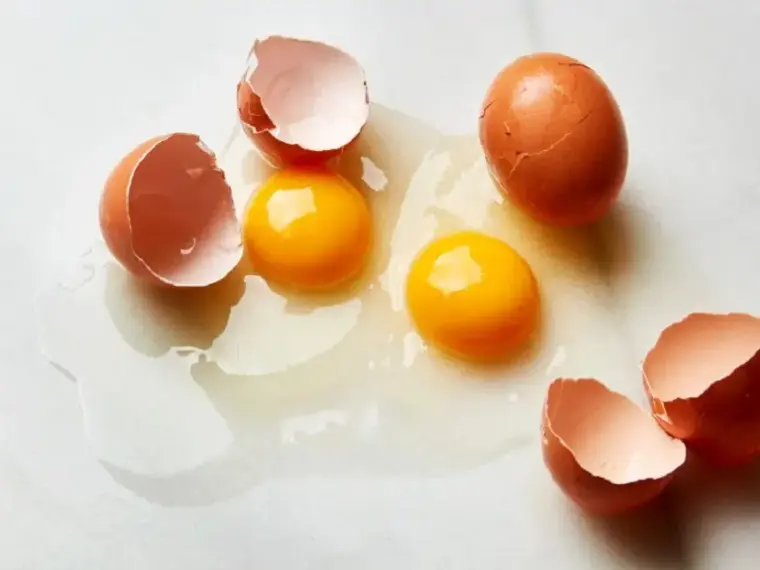
Okay eggs. They’re like one of those foods you always have tucked away in the fridge, right? They’re just… there. Sitting in the back of the fridge, catching a chill in a carton while waiting to be transformed into pancakes or frittatas or whatever 9 p.m. “I guess I’m just going to scramble something” situation you throw at them. But you’ve experienced it; that moment where you’re standing in front of the fridge, half asleep or three days after your grocery haul, holding an egg and wondering if it’s still good or not. Eggs can sit for a while, but not indefinitely.
So, here’s how to know if your egg is still good, without needing to call poison control on yourself.
The Float Test: Weird but Works
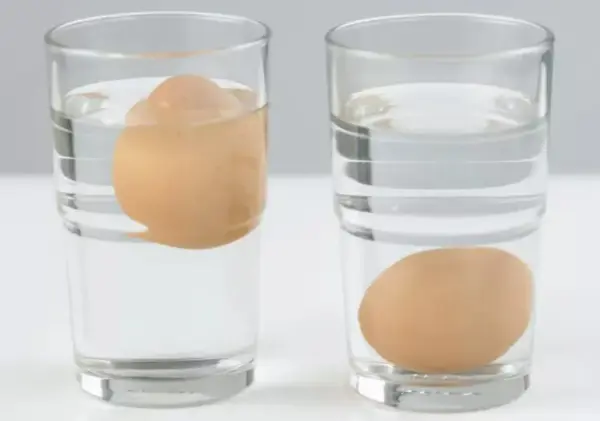
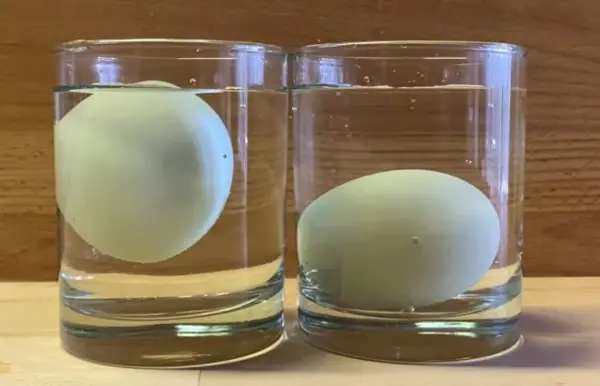
This one is old-fashioned and kind of fun in a weird science-class way. Grab a bowl. Fill it with cold water. Drop the egg in and simply… watch. If it sinks to the bottom and lies down flat, cool, it’s fresh. If it leans up a bit and stands on the bottom? Still good, just not ideal fresh. Like, omelet good, soufflé bad. But if it floats? Nope! Trash it. The theory behind it relates to the air pocket expanding over time, but you don’t need to know that. Just REMEMBER: floating = bad. Like, “egg ghost escaping its shell” bad.
Sniff Test (yes, I said sniff)
This one is simple and probably always the grossest if it backfires! Crack the egg into a bowl—or onto a plate if you want to be super careful—and give it a smell. Like, don’t overthink it. You’ll know. A fresh egg just smells like nothing. Which is to say, maybe a tiny bit grassy or just… clean. But if it smells like death, warmed over? Like a fart that’s traveled the length of a sewer pipe? Yup. Bad. No amount of salt and pepper is going to make that ok. Throw it out immediately, and possibly open a window.
The Shake Test: For the Daring
So I’m not saying this is super scientific, but some people swear by it. Hold the egg up to your ear and gently shake it—not like you’re making a cocktail. More like a little shimmy. If it’s fresh, you’ll hear basically nothing. Maybe a tiny little whisper of movement. If it sounds sloshy, watery, like something is splashing around in there? That’s not good. That’s your egg going soft in the middle in a way it is absolutely not supposed to do.
Consider the Date—but Don’t Stress About It
You’ve seen the dates on the carton—”sell-by,” “use-by,” whatever they say. They are useful, but not gospel. If stored properly, eggs usually last far after that little date is past. We’re talking weeks, some times. If your egg is successfully making it through the other experiments and smells fine, it is probably fine. But if it’s been two months sitting there and you can’t even remember purchasing it, then don’t push your luck for one egg.
Examine the Shell Like a Detective
You’d be surprised how much information the shell can provide. If there is a crack? No go. There is a way for bacteria to get in, and you don’t want a salmonella roulette game. If the shell looks dirty, sticky, or odd in color, like a weird off-white or blotches (and not just specks of farm life), just toss it. Frankly, if the outside feels weird, the inside is probably weird also.
Yolk and White Test—It’s a Texture Thing
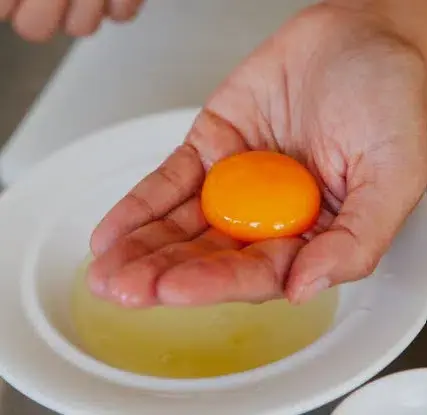
After you crack your egg (hopefully in a bowl and not in your recipe), take a beat and look at it. The yolk should be intact, plump, and a rich yellow or orange color. Not pale and not flat. If it just flattens out like a sad old coin? No, that’s not a fresh egg. The white should be staying close to the yolk, if it is watery and it all spreads like a spill, that too is another indication of age. Edible perhaps, but don’t use it in a dish where texture is important.
Cold Storage is Non-Negotiable
Eggs need to be cold. I mean cold-as-fish. Fridge cold. 40 degrees F or lower and you will be fine. If you leave them on the counter even after they’ve been refrigerated, they will not last as long as if you left them in the fridge. Some countries do not refrigerate eggs, but that is a different discussion altogether. In the United States? Just put them in the fridge.
Just Use ‘Em Before They Become a Science Experiment
They don’t spoil overnight. Eggs can have an impossibly long shelf-life – with three to five weeks after purchase with many still good for longer if you are lucky or your fridge is nice and cold. But if you are the kind of person to forget about that carton in the back of the fridge until spring cleaning? Review all of this before cracking into your skillets.
At the end of the day, determining if an egg has spoiled is object-of-a-scientific-experiment easy. Smell it, float it, shake it for drama if you like. Just don’t eat the egg that’s been at the back of the carton since before your last haircut. Trust your senses. Eggs give off signals when they’re bad—they almost scream, ‘I’m gross now.’ Just listen.