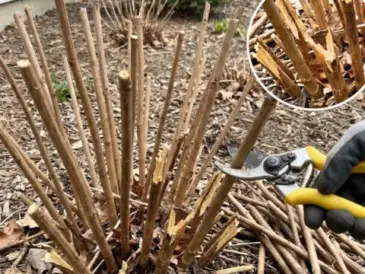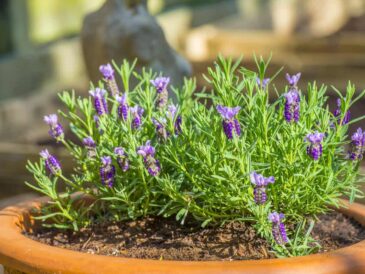
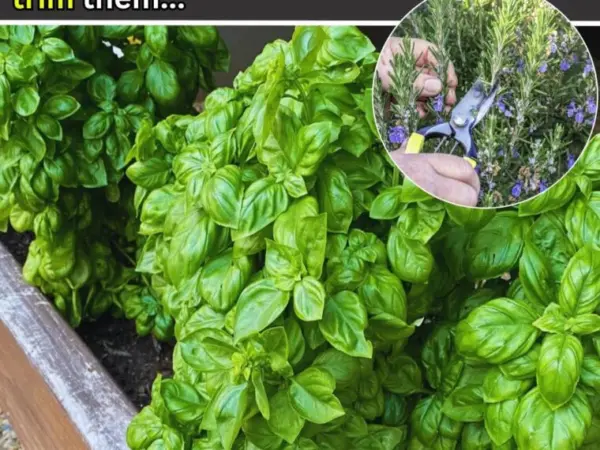
Pinching isn’t just about keeping plants tidy – it’s how you encourage them to grow stronger, bushier, and more productive. Some herbs respond so positively that the more you harvest, the more they reward you.
Why Pinching Works So Well on Herbs
To understand why pinching is so effective, it helps to know a bit about how herbs grow.
Most herbs have what’s called apical dominance – the natural tendency for the topmost shoot (the growing tip) to control the plant’s growth direction.
When you remove that top shoot, the plant redirects energy to the side buds below it, causing new branches to form.
This results in:
- Denser growth: More stems and leaves, rather than one tall stalk.
- Better flavor: Frequent trimming keeps herbs tender and prevents them from getting woody or bitter.
- Higher yield: More growing points mean more leaves to harvest.
In short, when done right, pinching tricks the plant into thinking it needs to multiply – and that’s exactly what it does.
How to Pinch Herbs the Right Way
Before diving into specific herbs, let’s cover the basics.
Pinching is simple: use your fingers or clean shears to remove the top inch or two of a stem just above a set of leaves or nodes. This encourages those lower nodes to sprout new shoots.
Here’s how to get the best results:
- Always pinch above a pair of leaves so the plant can branch from that point.
- Avoid removing more than one-third of the plant at a time.
- Pinch regularly, especially in the growing season, to maintain shape and productivity.
- Use the trimmings immediately in the kitchen – nothing goes to waste.
Now let’s look at the herbs that truly thrive on trimming.
1. Basil
No herb responds to pinching quite as dramatically as basil. This warm-weather favorite grows tall and leggy if left alone, but regular pinching transforms it into a lush, leafy plant with far more usable growth.
When you remove the top set of leaves, basil immediately pushes out two new stems from below the cut. Within days, it doubles in fullness.
Pinch your basil every week once it reaches about 6–8 inches tall. Always remove flower buds as soon as they appear – once basil flowers, its leaves lose flavor.
The more often you pinch, the longer your basil stays sweet, aromatic, and productive all summer long.
2. Mint
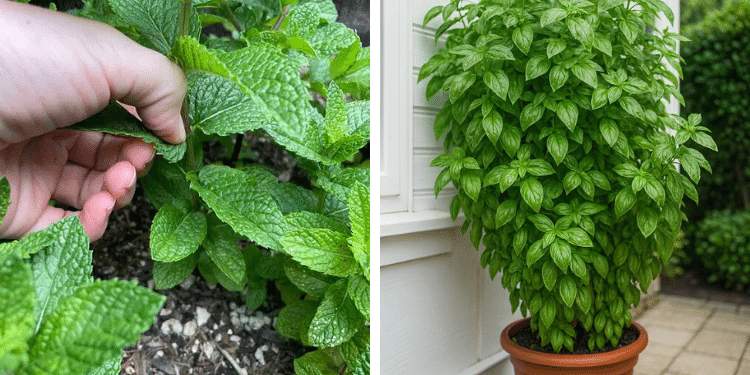
Mint is a vigorous grower that thrives when harvested frequently. Without trimming, it tends to spread wildly and lose its compact shape.
Pinching keeps it under control and encourages the plant to send out fresh, tender shoots instead of tough, woody stems.
To promote branching, pinch stems right above a pair of leaves once they reach 6 inches tall. This will trigger the plant to produce new stems from the base and fill out beautifully.
Regular pinching also helps maintain the intensity of mint’s fragrance. The leaves are most flavorful before flowering, so trimming often ensures a steady supply of rich, aromatic growth.
3. Oregano
Oregano, one of the most resilient Mediterranean herbs, becomes stronger and bushier when pinched regularly.
It naturally grows as a sprawling plant, and removing the growing tips helps it maintain a compact form while increasing the number of shoots.
Pinch the top few inches of new growth during the active growing season. Doing this every couple of weeks prevents it from flowering too soon, keeping the leaves more flavorful.
Oregano thrives on attention – the more you trim it, the more fragrant, robust, and productive it becomes.
4. Thyme
Thyme may look delicate, but it’s surprisingly tough and benefits greatly from light pinching.
As thyme grows, it tends to become woody at the base, producing fewer tender shoots. Regularly pinching the tips encourages it to stay young, full, and green.
Once the plant reaches about 6 inches tall, remove the top half-inch of growth from each stem. Avoid cutting into the woody parts – focus on the fresh green tips.
Not only does this promote new growth, but it also helps the plant release more of its natural essential oils, giving you leaves that are intensely aromatic and perfect for cooking.
5. Lemon Balm
Lemon balm is part of the mint family, which means it shares mint’s enthusiasm for trimming. In fact, frequent pinching keeps it from growing leggy and encourages constant renewal of young leaves with the freshest lemon scent.
If left untrimmed, lemon balm quickly flowers, making the leaves less flavorful. By pinching back the stems regularly, you extend its harvest window and keep the plant lush throughout the season.
Aim to trim it every two weeks during the growing season, and your garden will smell like a citrus dream all summer long.
6. Sage
Sage doesn’t need constant trimming, but occasional pinching in spring and early summer makes a big difference in its shape and vigor.
By removing the growing tips of young shoots, you help sage produce more lateral branches, which means more leaves for drying or fresh use.
Avoid cutting into woody stems – focus on the new green growth. Once the plant begins to flower, it’s best to remove the blooms to encourage continued leaf production.
With gentle, periodic pinching, sage remains dense, healthy, and full of that earthy aroma gardeners love.
7. Marjoram
Often mistaken for oregano, marjoram responds to trimming in a similar way but has a sweeter, milder flavor.
Regular pinching keeps marjoram compact and encourages it to produce abundant soft, tender shoots – the most flavorful part of the plant.
When stems reach about 6 inches tall, pinch the top inch to encourage branching. Continue harvesting regularly throughout the season, especially before flowering, to preserve its sweetness and fragrance.
Marjoram is happiest when it’s being used – frequent harvesting keeps it vibrant and generous.
8. Parsley
While parsley grows differently from other herbs, with stems emerging from the base rather than branching, it still benefits from consistent trimming.
Instead of pinching just the tips, harvest entire outer stems close to the soil line. This signals the plant to send up new shoots from the center.
If you only remove leaf tips, the plant becomes uneven and produces less over time. But when harvested properly and often, parsley continues to grow vigorously for months.
The rule is simple: the more you cut, the more it grows – as long as you leave a few inner shoots to regenerate.
9. Cilantro (Coriander)
Cilantro can be a tricky herb, known for bolting quickly in warm weather. However, regular pinching delays flowering and keeps it producing those fragrant, delicate leaves longer.
Once cilantro grows about 4–6 inches tall, start pinching the top leaves. This slows down the upward growth and encourages side shoots to form.
If you see flower stalks starting to appear, snip them immediately – the plant will redirect energy to leaf production.
Cilantro may have a short life cycle, but with frequent trimming, you can extend its productivity and enjoy a longer harvest.
10. Dill
Dill is another herb that tends to bolt early, but with consistent pinching, you can manage its growth beautifully.
When the plant is young and about 8 inches tall, pinch off the top leaves to promote bushier growth. This delays flowering and encourages more feathery foliage – the part you actually want for cooking.
Once dill flowers, it focuses all its energy on seed production, so regular pinching is key to prolonging leaf harvest.
For seed lovers, you can allow one or two stems to bloom at the end of the season, but keep the rest trimmed for steady greenery.
11. Chervil
Chervil is a delicate herb with a flavor similar to parsley and tarragon. It thrives in cooler weather and appreciates frequent trimming.
Regular pinching prevents it from flowering prematurely and keeps the leaves tender and mild. Once chervil bolts, its flavor turns bitter, so consistent pinching ensures a longer, tastier harvest.
Harvest from the outer leaves inward, taking the top growth to encourage continuous regeneration from below. The result is a fresh, soft mound of greenery that keeps giving for weeks.
12. Rosemary (With Care)
Rosemary is woody and slow-growing compared to soft herbs like basil or mint, but light, regular pinching helps it branch out and stay compact.
Young rosemary plants especially benefit from gentle trimming to encourage side shoots early on. Remove no more than a couple of inches from the tips at a time, and always avoid cutting into the older, woody stems.
Frequent harvesting keeps rosemary neat, prevents legginess, and produces more fragrant new leaves. With time, you’ll shape a dense, rounded plant perfect for both garden display and culinary use.
How Often Should You Pinch?
The frequency depends on how fast your herbs grow and how often you use them. In general:
- Fast growers like basil, mint, and lemon balm can be pinched every week.
- Slower herbs like sage, rosemary, and thyme benefit from trimming every few weeks.
- Always avoid removing more than a third of the plant at a time to prevent shock.
Most herbs bounce back quickly when they’re healthy and growing in the right conditions – full sun, well-draining soil, and regular watering.
The Added Benefit: Fresher Flavor
One of the hidden perks of pinching is the flavor improvement it brings. Herbs that are regularly harvested produce younger, more tender leaves packed with essential oils.
When herbs are allowed to flower, their energy shifts from leaf production to seed-making, and their taste changes.
Basil becomes bitter, mint turns coarse, and oregano loses intensity. By pinching consistently, you’re preserving the peak flavor and aroma of your herbs – exactly when they’re most useful in the kitchen.
The secret to thriving herb gardens isn’t expensive fertilizer or complicated care routines – it’s consistency and gentle pruning. Herbs like basil, mint, oregano, thyme, sage, and lemon balm love attention.
The more you pinch, the more they grow, filling your garden with color, fragrance, and flavor.