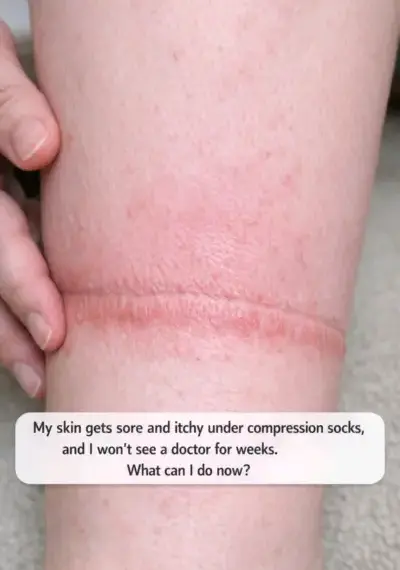
Compression socks can be a lifesaver for individuals dealing with medical conditions such as varicose veins, lymphedema, or chronic venous insufficiency. They help improve circulation and reduce swelling, making them a vital part of many people’s daily routines. However, wearing them can sometimes lead to discomfort, particularly when they cause skin to become sore and itchy. This can be a troubling issue, especially if you can’t see a doctor for several weeks.Understanding the underlying causes of your discomfort and taking proactive steps to alleviate the symptoms can make a significant difference. In this article, we will discuss various strategies you can employ to manage skin soreness and itchiness caused by compression socks, ensuring that you remain comfortable until you can consult with a healthcare professional.1. First, Make Sure Your Compression Socks Actually FitThe first step in addressing discomfort is to ensure that your compression socks fit properly. Ill-fitting socks can cause excessive pressure, leading to sore and itchy skin. Compression socks are available in different levels of pressure, measured in millimeters of mercury (mmHg), ranging from mild (8-15 mmHg) to extra firm (30-40 mmHg). It’s crucial to select the appropriate level for your condition and comfort.Measure your legs carefully to determine the right size. Use a tape measure to check the circumference of your ankle, calf, and thigh. For ankle measurements, measure at the narrowest point, usually just above the ankle bone. For the calf, measure at the widest point. Compare your measurements to the size chart provided by the manufacturer to ensure a snug but not overly tight fit.2. Check Whether You’re Dealing With Occlusive DermatitisOcclusive dermatitis occurs when moisture gets trapped against the skin by tight-fitting materials, leading to irritation. This can happen with compression socks, particularly if they are worn for extended periods without breaks. Signs of occlusive dermatitis include redness, itching, and sometimes a rash.To determine if this is the cause of your discomfort, remove the socks periodically to allow your skin to breathe. Observe if the irritation subsides when your legs are exposed to air. If occlusive dermatitis is the culprit, implementing strategies to keep your skin dry and breathable will be beneficial.3. Give Your Skin a Break: Adjust How Long You Wear ThemIf your skin is reacting adversely to compression socks, consider adjusting how long you wear them each day. While it’s essential to follow medical advice regarding the duration of use, it’s also important to listen to your body’s signals.Start by wearing the socks for shorter periods and gradually increase the time as your skin becomes accustomed to them. Make sure to remove them at night unless otherwise directed by a healthcare professional. Allowing your skin some time to recover without the constant pressure can help mitigate irritation.4. Switch Fabrics: Try Different Materials, Weaves, Or BrandsNot all compression socks are created equal. The materials used can significantly impact how your skin reacts. If you’re experiencing discomfort, it might be worth trying socks made from different fabrics. Many people find that natural fibers like cotton or bamboo blends are less irritating than synthetic options.Additionally, the weave of the fabric can affect breathability and comfort. Look for brands that offer moisture-wicking properties to help keep your skin dry. It may take some experimentation with different brands and materials to find the right combination for your skin.5. Create a Barrier: Lotions, Ointments, And Liners That Protect SkinCreating a protective barrier between your skin and the compression socks can help prevent irritation. Applying a hypoallergenic lotion or ointment before putting on your socks can reduce friction and provide a soothing layer of protection.Another option is to use sock liners. These are thin, breathable socks worn underneath your compression socks to protect sensitive skin. Look for liners made from materials like silk or moisture-wicking fabrics to enhance comfort.6. Keep Skin Clean, Cool, And Dry Underneath the SocksMaintaining proper skin hygiene is crucial when wearing compression socks. Ensure your skin is clean and dry before putting them on, as moisture can lead to irritation and increase the risk of fungal infections.After removing your socks, wash your legs with a gentle cleanser and thoroughly dry the skin. Consider using a talc-free powder to absorb excess moisture and keep your skin cool, especially in warm weather or if you sweat a lot.7. Soothe the Itch: Over-The-Counter Remedies You Can Use NowThere are several over-the-counter remedies available that can help soothe itchy skin. Look for anti-itch creams or lotions containing ingredients like hydrocortisone, calamine, or menthol, which can provide immediate relief.Antihistamine creams can also be beneficial if your itchiness is due to an allergic reaction. Apply these products as directed to the affected areas, but avoid using them on broken or severely irritated skin. If symptoms persist or worsen, it’s important to seek medical advice.8. Red Flags: When Soreness or Itch Could Signal Something SeriousWhile mild discomfort can often be managed at home, certain symptoms may indicate a more serious underlying issue. If you experience severe pain, swelling, or discoloration of the skin, it could be a sign of a more serious condition such as a deep vein thrombosis (DVT) or infection.Additionally, if you notice blisters, open sores, or a persistent rash, seek medical attention promptly. These symptoms could indicate an allergic reaction or severe dermatitis that may require prescription treatment.9. Simple At-Home Swaps If You Can’t Wear Compression Every DayIf wearing compression socks daily is causing too much discomfort, consider alternative methods to support your circulation. Elevating your legs when sitting or lying down can help reduce swelling.Engage in regular physical activity to promote blood flow in your legs. Simple exercises like ankle pumps or calf raises can be done throughout the day. You can also explore other compression garments like thigh-high stockings or footless sleeves that might be more comfortable.10. What To Ask Your Doctor Once You Finally Get an AppointmentWhen you manage to secure an appointment with your healthcare provider, it’s important to have a list of questions ready. Ask about alternative compression options, such as different pressure levels or garment styles that might be more comfortable for you.Discuss the possibility of underlying skin conditions that could be contributing to your symptoms. Inquire about prescription treatments or referrals to a dermatologist if necessary. Ensure you leave the appointment with a clear understanding of how to manage your condition effectively.11. How To Advocate for a Quicker Evaluation If Symptoms WorsenIf your symptoms worsen and you’re unable to see your doctor quickly, it’s important to advocate for a more urgent evaluation. Contact your healthcare provider’s office and explain your situation, emphasizing any concerning symptoms like increased pain or swelling.Consider visiting an urgent care clinic if your symptoms become severe. Keep a detailed record of your symptoms, including when they occur and any triggers or alleviating factors. This information can be crucial in helping healthcare professionals assess your condition promptly and accurately.
My skin gets sore and itchy under compression socks, and I won’t see a doctor for weeks. What can I do now?