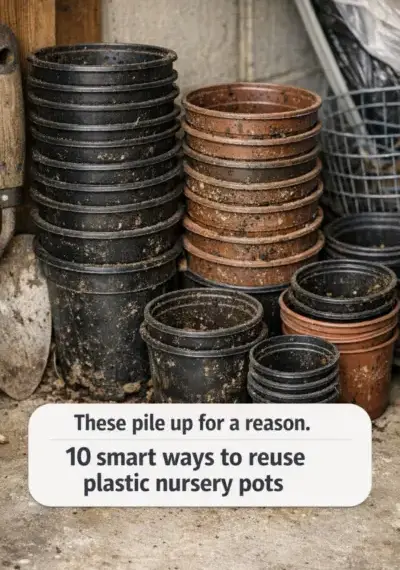
Plastic nursery pots are ubiquitous in the world of gardening. After purchasing new plants, they often accumulate in corners of our gardens, sheds, or garages, waiting for a purpose. While recycling is a viable option, reusing these pots can be both eco-friendly and resourceful, reducing waste and saving money. With creativity, these simple containers can be transformed into practical tools and decorative elements for your home and garden.
In this article, we explore ten smart ways to repurpose plastic nursery pots. From creating small herb gardens on your balcony to crafting stylish outdoor décor, these ideas will inspire you to put those forgotten pots to good use. Not only will you reduce clutter, but you’ll also contribute to a more sustainable environment.
1. Turn Nursery Pots Into Seed-Starting Stations
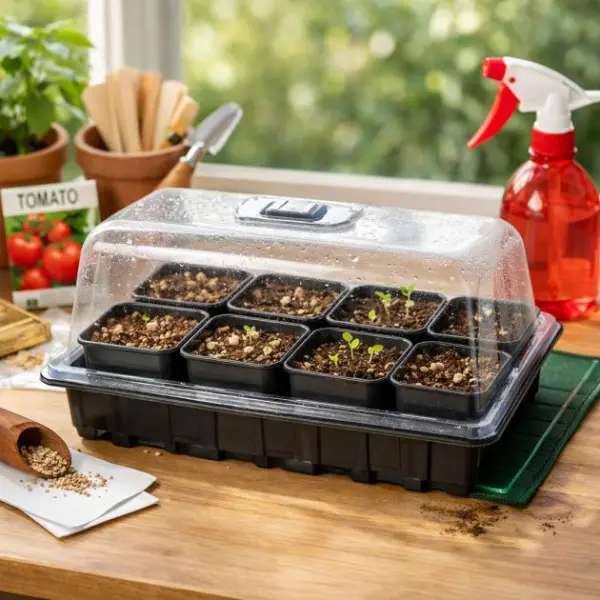
Nursery pots are perfect for starting seeds indoors or in a greenhouse. Their size is often ideal for nurturing small seedlings until they’re ready to be transplanted. Begin by filling each pot with a seed-starting mix, which is lighter and more nutrient-rich than regular potting soil. Plant your seeds according to the depth and spacing instructions on the seed packet.
Ensure the pots have adequate drainage by checking for holes at the bottom. If they don’t, drill or punch a few small holes. Once the seeds are planted, water gently and cover the pots with a clear plastic lid or wrap to retain moisture. Place them in a warm, sunny spot, and watch your seedlings thrive.
2. Build a Bottomless Herb Garden for Balconies and Patios
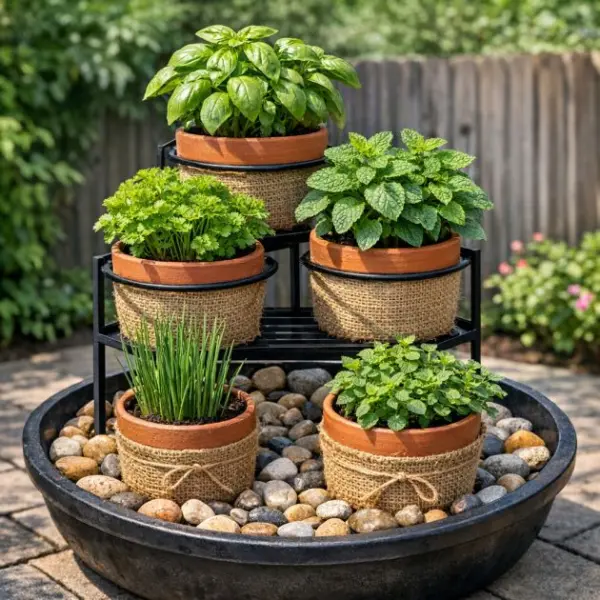
Creating a mobile herb garden is a fantastic way to utilize nursery pots. Choose herbs that thrive in pots, such as basil, mint, or parsley. For this project, it’s helpful to use pots that are at least 6 inches in diameter.
To create a cohesive look, consider painting the pots with outdoor-safe paint or wrapping them in burlap. Arrange them on a tiered plant stand or in a large, shallow container filled with pebbles for drainage. This setup allows you to easily move the herbs to capture the best sunlight throughout the day.
3. Use Pots as Clever Organizers in the Shed and Garage
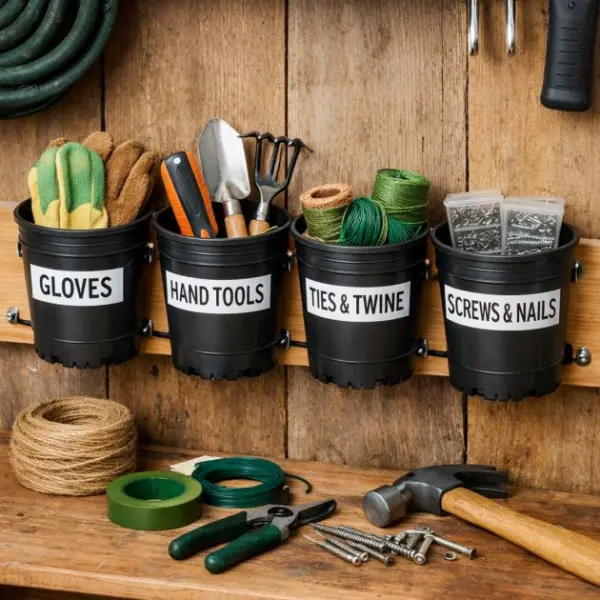
Nursery pots can be repurposed as organizers for small tools, gardening gloves, or other miscellaneous items cluttering your shed or garage. Group similar items in each pot and label them for easy identification.
To keep the pots from tipping over, consider securing them to a wooden board or shelf with zip ties or screws. This simple organization system can streamline your storage space and make finding tools a breeze.
4. Transform Pots Into DIY Compost and Worm Towers
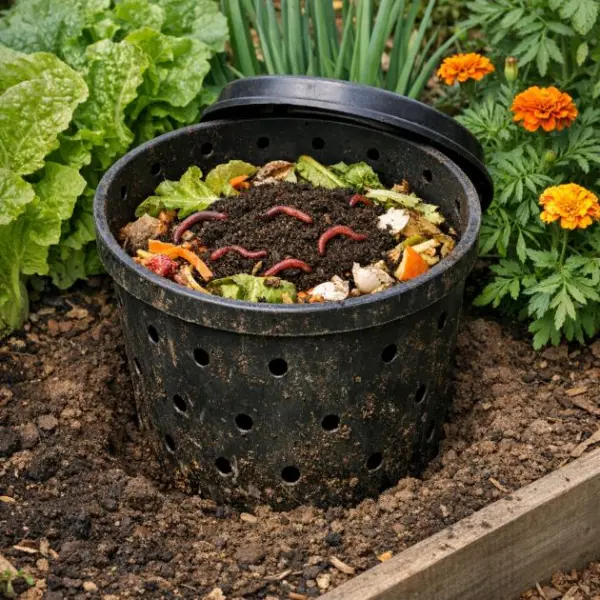
Utilize old nursery pots to create a simple compost or worm tower for your garden. Drill several holes around the sides and bottom of a large pot for aeration. Bury the pot halfway into the soil in your garden bed.
Fill the pot with kitchen scraps, garden waste, and a handful of soil to kickstart decomposition. The organic material will break down over time, enriching the surrounding soil. For a worm tower, introduce red wiggler worms to help accelerate the composting process.
5. Create Self-Watering Containers for Thirsty Plants
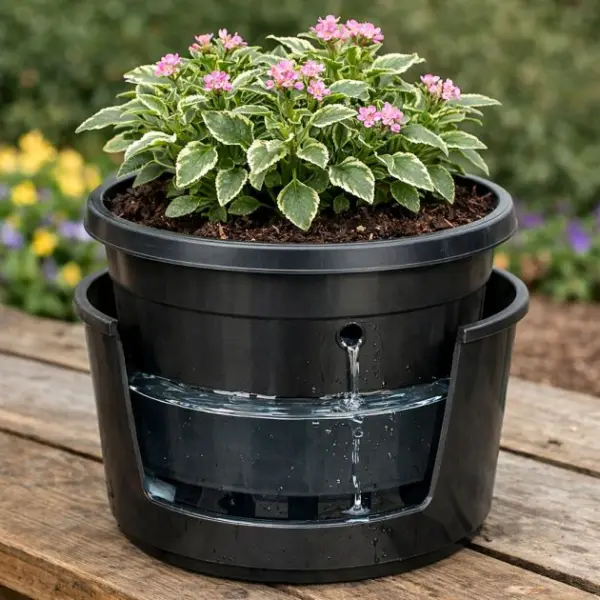
Self-watering containers can be a lifesaver during dry spells or for those who travel frequently. To make one, you’ll need two nursery pots of the same size. Drill a hole about 1 inch from the bottom of one pot to create an overflow drain.
Place the pot with the hole inside the other pot. Fill the space between the two pots with water, ensuring it reaches the overflow hole. Plant your chosen flora in the top pot with regular potting soil. The water reservoir will keep the soil consistently moist, reducing the need for frequent watering.
6. Make Protective Collars and Shields for Delicate Seedlings
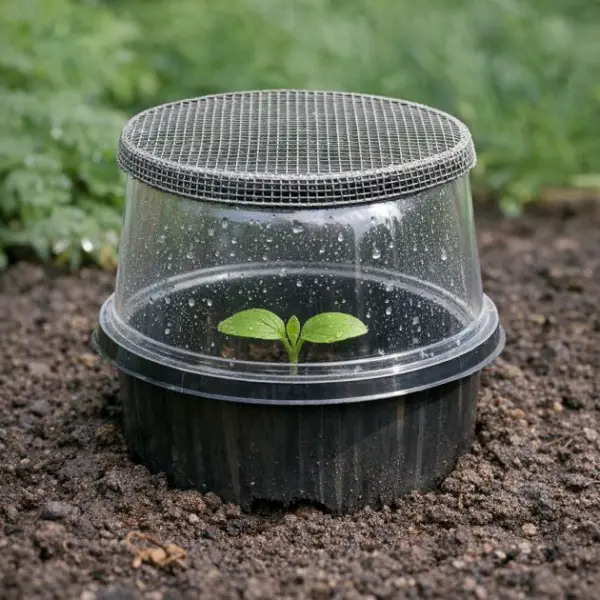
Young seedlings are vulnerable to pests and weather extremes. To protect them, cut the bottom off a nursery pot and place it over the seedling, pressing it slightly into the soil. This acts as a barrier against slugs and snails.
For added protection, cover the top with mesh or a clear plastic lid, creating a mini greenhouse effect. This method can also help maintain warmth and humidity during cooler months, promoting healthy growth.
7. Repurpose Pots as Portable Planters for Gifts and Swaps
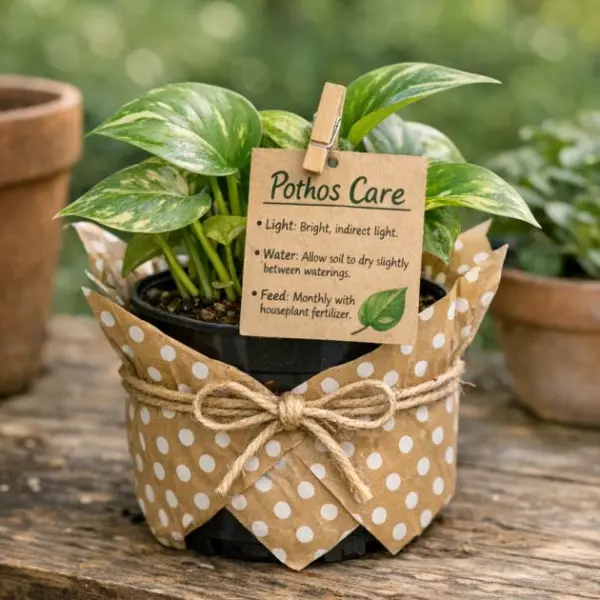
Nursery pots make great containers for gifting plants or participating in plant swaps. Fill a pot with a plant cutting or a small, established plant, and dress it up with decorative paper or fabric tied with a ribbon.
Attach a care instruction tag to help the recipient nurture their new plant. This thoughtful gesture not only recycles old pots but also spreads the joy of gardening to others.
8. Craft Stylish Outdoor Lanterns and Patio Décor
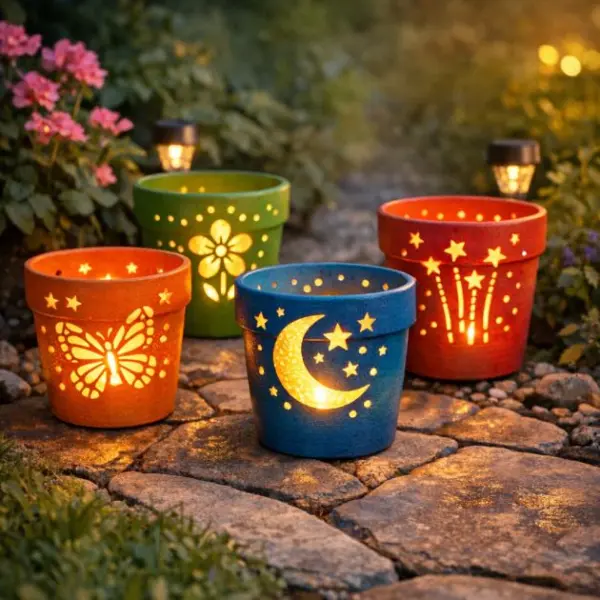
With a little creativity, nursery pots can be transformed into charming lanterns to light up your outdoor spaces. Cut out patterns or shapes on the sides of the pots, then paint them in vibrant colors suitable for outdoor use.
Place a small LED tea light or solar light inside the pot, allowing the light to shine through the cutouts. Arrange the lanterns around your patio or garden for an enchanting evening ambiance.
9. Upcycle Pots Into Bird Baths, Feeders, and Bug Hotels
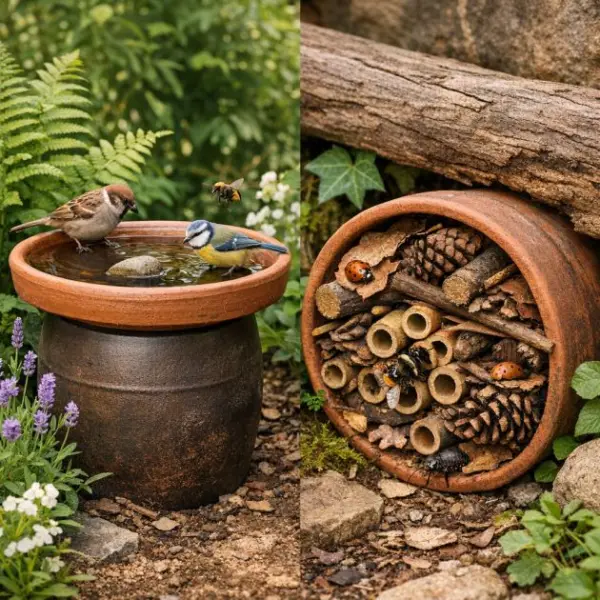
Attract wildlife to your garden by converting nursery pots into bird baths or feeders. For a simple bird bath, use a large pot as the base and place a shallow dish on top. Fill it with water and place it in a quiet corner of your garden.
To create a bug hotel, fill a pot with natural materials like twigs, leaves, and pine cones. Position the pot horizontally in a sheltered spot. This will provide beneficial insects with a safe place to shelter and reproduce, supporting biodiversity in your garden.
10. Use Nursery Pots for Soil Mixing, Sifting, and Storage
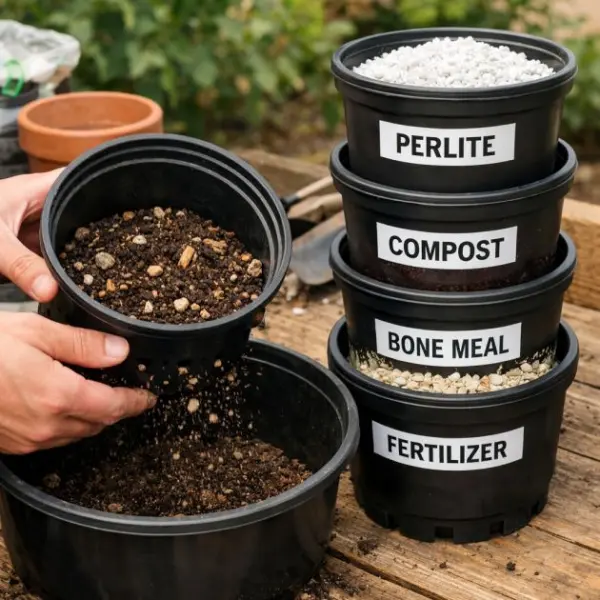
Nursery pots are handy for mixing and sifting soil, compost, or other gardening materials. Use a pot with a few holes drilled in the bottom as a makeshift sieve to remove debris from soil.
For storage, stack pots of the same size and fill them with different types of soil amendments or fertilizers. Label each pot clearly to keep your gardening supplies organized and accessible.
11. Build Lightweight Raised Beds and Vertical Gardens
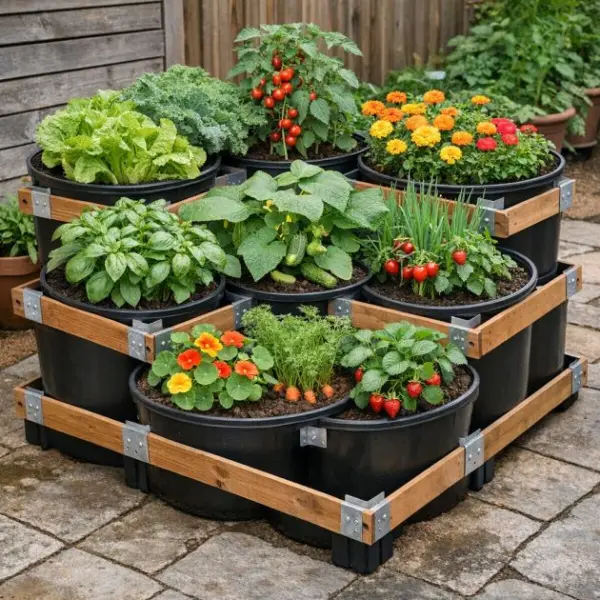
For those with limited space, nursery pots can be used to construct lightweight raised beds or vertical gardens. Arrange large pots in a grid, securing them together with wooden planks or metal brackets.
Fill each pot with soil and plant a variety of vegetables, flowers, or herbs. This modular system allows for easy rearrangement and customization, making it ideal for renters or those with changing gardening needs.