
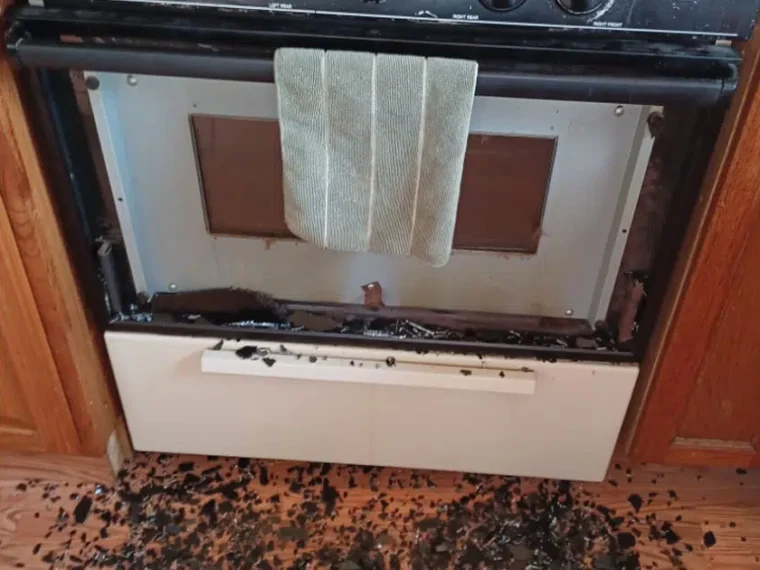
Why Do Oven Doors Shatter and How to Prevent It?
An oven door is designed to withstand high temperatures, but that doesn’t mean it is impossible to break. Sometimes, an oven door can suddenly shatter into hundreds of tiny pieces, leaving homeowners confused and wondering what went wrong. Although this can be frightening, there are several reasons why oven door glass breaks. Temperature changes, accidental impacts, damaged glass and manufacturing defects can all contribute to the problem. Understanding why oven doors shatter can help you prevent accidents, protect your family and keep your kitchen safe.
1. Sudden Temperature Changes
One of the most common factors that can contribute to oven glass breaking is thermal stress. Oven doors are usually made with specially designed tempered glass that can tolerate high temperatures. However, rapid and uneven temperature changes can create stress within the glass. For example:
- Pouring cold water onto a hot oven door.
- Wiping hot glass with a cold, wet cloth.
- Allowing cold objects to touch a heated door.
- Exposing one part of the glass to a sudden temperature difference.
When different areas of the glass expand or contract at different rates, the resulting stress can sometimes cause it to crack or shatter. How to prevent it: Allow the oven door to cool before cleaning it. Never spray cold water directly onto hot glass, and avoid placing cold or frozen objects against the door.
2. Small Chips and Scratches
A tiny chip or scratch might seem harmless, but it can weaken the glass. Tempered glass is manufactured to withstand considerable stress. However, damage to its surface or edges can compromise its strength. Even a small impact from a metal utensil, baking tray or other hard object may create a weak point. The damage might not cause immediate breakage. Instead, the glass could shatter later when exposed to heat or ordinary mechanical stress. How to prevent it:
- Avoid hitting the oven door with baking trays.
- Never slam the door shut.
- Keep sharp metal objects away from the glass.
- Inspect the door regularly for chips, cracks and damaged edges.
- Have damaged glass replaced rather than continuing to use it.
3. Manufacturing Defects and Spontaneous Breakage
Sometimes, an oven door shatters even when the owner has taken excellent care of it. One possible explanation is a manufacturing defect. Tempered glass can occasionally contain microscopic imperfections or internal stresses that make it more vulnerable to breakage. Another possible cause is nickel sulfide inclusions. These are tiny impurities that can remain inside some tempered glass products. Under certain conditions, they may expand over time and trigger spontaneous breakage. This is uncommon, but it is a recognized phenomenon in tempered glass. How to prevent it: Manufacturing defects cannot always be prevented by homeowners. However, registering your appliance, keeping purchase documentation and checking for manufacturer recalls can help if a problem occurs.
4. Improper Installation or Incorrect Replacement Glass
An oven door must be assembled correctly. If the glass is installed improperly, excessive pressure can develop around its edges. For example, incorrectly positioned clips, damaged supports, missing spacers or overly tight fasteners may place unnecessary stress on the glass. Using replacement glass that is not designed for the specific oven model can also create safety problems. How to prevent it: Always use manufacturer-approved replacement parts and have oven door glass installed by a qualified technician. Never attempt to force glass into a frame that does not fit properly.
5. Excessive Heat and Uneven Heating
Although oven glass is designed for high temperatures, uneven heating can create localized stress. This may happen when heat is distributed unevenly, when an oven has a malfunctioning component or when ventilation around the appliance is obstructed. The problem is not necessarily that the oven has become too hot for its glass. Rather, uneven temperature distribution can increase stress within the door. How to prevent it:
- Keep oven ventilation openings clear.
- Follow the manufacturer’s temperature recommendations.
- Avoid modifying the oven door or its ventilation system.
- Have unusual heating problems checked by a technician.
6. Incorrect Cleaning Products and Techniques
continue reading in page 2
Pages: 12
Cleaning products do not usually cause oven doors to shatter by themselves. However, certain cleaning methods can damage the glass or increase the risk of thermal stress. Abrasive scouring pads, rough metal tools and harsh scraping techniques can leave scratches. Some oven-cleaning products may also damage coatings or decorative surfaces if used incorrectly. How to prevent it:
- Use cleaning products approved for your oven.
- Avoid steel wool and abrasive pads.
- Use a soft microfiber cloth.
- Follow the manufacturer’s cleaning instructions.
- Never clean the glass while it is still hot.
What Should You Do If Your Oven Door Shatters?
If your oven door suddenly breaks, your first priority should be safety.
- Turn off the oven: Switch it off and disconnect the power if this can be done safely.
- Keep everyone away: Children and pets should stay out of the kitchen until the area has been cleaned.
- Allow everything to cool: Do not touch the broken glass while the oven or surrounding surfaces are hot.
- Wear protective equipment: Use thick gloves and closed shoes when dealing with broken pieces.
- Clean carefully: Remove large pieces first, then carefully collect smaller fragments. Avoid using bare hands.
- Check the oven: Do not use it again until the door has been inspected and the damaged glass replaced.
Tempered glass often breaks into small pieces, but these fragments can still cause cuts and injuries. If glass has entered the oven’s interior or ventilation openings, have a technician inspect the appliance before using it again.
Can You Still Use an Oven With a Broken Door?
No. An oven should not be operated with a broken or missing door panel. The door helps maintain the correct cooking temperature and provides an important safety barrier. Operating the appliance without properly fitted glass can expose you to excessive heat and create additional hazards. Even if the inner glass appears intact, a damaged outer panel should be inspected and replaced according to the manufacturer’s instructions.
How Often Should You Inspect Your Oven Door?
You do not need to inspect your oven door every day, but checking it occasionally is a good habit. Look for:
- Small chips along the edges.
- Visible cracks or scratches.
- Loose door handles or hinges.
- Damaged glass supports.
- Unusual movement when opening or closing the door.
If you notice any damage, stop using the oven until it has been assessed.
Final Thoughts
Oven doors are designed to withstand high temperatures and everyday cooking, but they are not indestructible. Sudden temperature changes, accidental impacts, manufacturing imperfections and improper installation can all contribute to glass breakage. The best way to reduce the risk is to handle the door carefully, avoid thermal shock, clean it with suitable products and replace damaged glass promptly. A little preventive care can help keep your oven in good condition and make your kitchen safer for everyone.
Pages: 12