
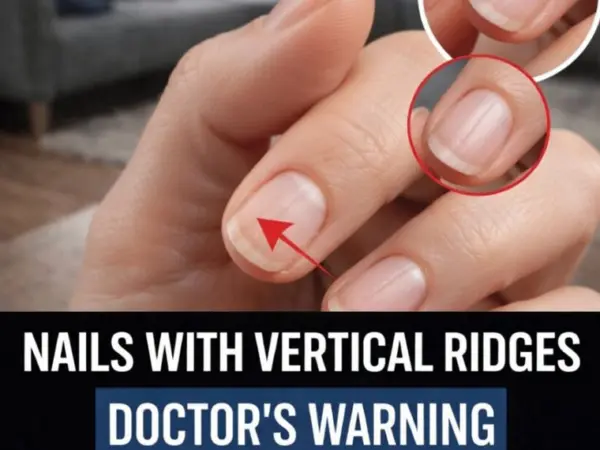
Have you ever looked closely at your fingernails and noticed thin lines running from the bottom of the nail all the way to the tip?
Gel nail polish
These are known as vertical nail ridges, or longitudinal ridges.
They can become more noticeable over time, especially as you get older. For most people, they are simply a normal change in the nail rather than a warning sign of serious disease.
However, nail changes can occasionally provide clues about your skin, nutrition, or overall health.
Here’s what you should know.
What Are Vertical Ridges on Fingernails?
Vertical ridges are raised lines that travel in the same direction your fingernail grows—from the cuticle toward the fingertip.
Some people have only a few faint lines, while others develop several noticeable ridges across multiple nails.
Language Resources
They are different from horizontal grooves, which run from side to side across the nail.
That distinction matters because horizontal grooves, sometimes
called Beau’s lines, can occur when nail growth has temporarily been interrupted by illness, injury, severe stress, certain treatments, or other medical conditions.
-
- Aging Is One of the Most Common Causes
If vertical ridges have gradually become more visible as you’ve gotten older, there may be a simple explanation.
Aging is one of the most common causes.
Mayo Clinic notes that vertical nail ridges may become more numerous or prominent with age because of changes in cell turnover within the nail.
Think of them somewhat like changes in hair or skin texture that occur naturally over time.
If the ridges are mild, appear gradually and aren’t accompanied by other unusual nail changes, they’re often harmless.
- Dry Nails and Skin Can Make Ridges More Noticeable
Dryness can also affect how your nails look.
Frequent handwashing, household cleaning and repeated exposure to water or chemicals can leave the nails and surrounding skin
dry.
People with very dry skin or eczema may also develop more noticeable vertical ridging.
One of the simplest things you can do is regularly moisturize your hands, nails and cuticles.
The American Academy of Dermatology notes that aging skin holds less water, which contributes to dryness, while brittle nails commonly develop lengthwise ridges.
- Nutritional Problems Can Sometimes Affect Nails
It’s tempting to see nail ridges and immediately assume you’re missing a vitamin.
Usually, it’s not that simple.
Vertical ridges alone cannot diagnose a nutritional deficiency.
However, deficiencies can sometimes produce nail abnormalities.
Iron deficiency, for example, can be associated with ridging and koilonychia, where nails become thin and develop a spoon-like shape. Zinc deficiency can also produce certain nail changes.
Rather than automatically buying supplements, pay attention to your overall diet and other symptoms.
If a deficiency is suspected, a healthcare professional can determine whether testing is appropriate.
Certain
- Skin Conditions Can Affect Your Nails
- Thyroid Problems Can Sometimes Affect Nail Appearance
- And avoid taking high-dose iron, zinc or other supplements just because you notice ridges.Supplements are most appropriate when there is a genuine need or deficiency.What About Biotin Supplements?Biotin is heavily marketed for nails and hair.Some people use it for brittle nails, but that doesn’t mean everyone with nail ridges needs a biotin supplement.Cleveland Clinic recommends discussing biotin supplementation with a healthcare provider rather than assuming it is necessary.This is particularly important because nail changes have many possible causes.Don’t Expect Overnight ResultsFingernails grow slowly.So even after improving your nail-care routine or treating an underlying problem, the existing
- ridge won’t simply disappear the next morning.
- Skin & Nail Care
- The healthier nail needs time to grow outward.
- Consistency matters more than quick fixes.
- Vertical vs. Horizontal Lines: Know the Difference
- This is one of the most useful things to remember.
- Vertical lines: Often become more prominent with aging and are commonly harmless.
- Horizontal grooves: May be Beau’s lines, which occur when something temporarily disrupts nail growth. Causes can include significant illness, injury, chemotherapy, skin conditions and other health problems.If new horizontal grooves develop, particularly across several nails, discuss them with a healthcare professional.Language ResourcesWhen Should You See a Doctor?Don’t panic over ordinary vertical ridges.But it’s worth getting your nails checked if you notice a sudden significant change, unusual discoloration, pain or swelling, pronounced splitting, spoon-shaped nails, nail pitting, or new horizontal grooves.Cleveland Clinic recommends medical evaluation for new ridges or other significant changes in nail shape, color orsurrounding tissue.A dermatologist or healthcare provider can determine whether you’re seeing normal aging, a skin condition, nutritional deficiency or something else.The Bottom LineVertical lines on your fingernails are extremely common and usually harmless, particularly when they develop gradually with age.Keeping your nails moisturized, protecting your hands from harsh chemicals, treating them gently and eating a balanced diet can support healthier-looking nails.But don’t use nail ridges alone to diagnose a vitamin deficiency or another disease.If the appearance of your nails changes suddenly or you notice additional symptoms, have them evaluated by a healthcare professional.
- Medical disclaimer: This article is for general educational purposes only and is not a substitute for professional medical advice, diagnosis or treatment.