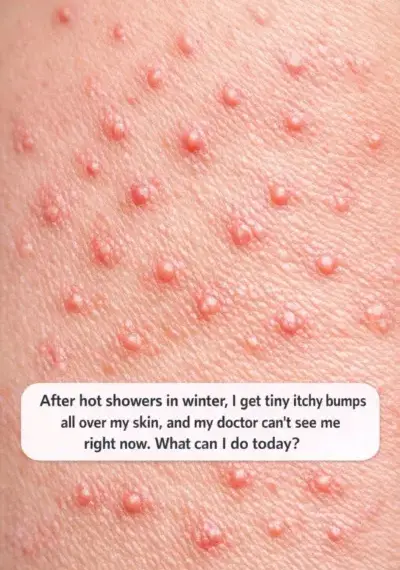
Winter can be a challenging time for our skin, especially when the comforting embrace of a hot shower leaves us with more than just warmth. Many people experience tiny, itchy bumps after stepping out of a steamy shower, a condition that can be both perplexing and irritating. The combination of cold, dry air outside and the tempting allure of a hot shower can wreak havoc on sensitive skin, leading to discomfort and frustration.Unfortunately, when your doctor is unavailable, it can be hard to know what to do. Understanding why this happens and what immediate steps you can take to alleviate the itchiness is crucial. This guide is aimed at helping you identify the cause of those pesky bumps and providing practical solutions you can implement today to find relief.1. Recognizing Cholinergic Urticaria: Is This What You Have?Cholinergic urticaria is a type of hives triggered by an increase in body temperature, such as from hot showers, exercise, or even stress. The condition is characterized by small, itchy bumps that can appear within minutes of exposure to heat. These bumps are typically 1 to 3 millimeters in diameter and can appear on the chest, back, arms, and sometimes the face.To determine if cholinergic urticaria is the cause of your symptoms, consider whether the bumps appear shortly after a rise in body temperature and whether they resolve relatively quickly, often within an hour. If you find your symptoms align with these characteristics, it may be helpful to keep an eye on other potential triggers.2. Take the Heat Down: Adjusting Your Shower Routine TodayOne of the most immediate changes you can implement is adjusting the temperature of your shower. While it may be tempting to indulge in hot water during the winter, keeping the water lukewarm, around 98°F (37°C), can prevent the onset of itchy bumps.Additionally, try to limit your showers to 5-10 minutes to minimize skin irritation and avoid using harsh soaps or body washes that can strip the skin of natural oils. Opt for gentle, fragrance-free cleansers to maintain the skin’s barrier.3. The Post-Shower Cool-Down: Simple Tricks To Calm Your Skin FastAfter showering, consider applying a cool compress or running cool water over your skin for a few seconds to bring your body temperature down quickly. This can help reduce the likelihood of bumps forming.Additionally, pat your skin dry with a soft towel instead of rubbing, as this can prevent further irritation. Follow up with a gentle moisturizer to lock in hydration and soothe your skin.4. Over-the-Counter Antihistamines: What You Can Safely Try at HomeAntihistamines can be effective in managing the itchiness associated with cholinergic urticaria. Non-drowsy options like loratadine or cetirizine are available over-the-counter and can be taken once daily to help alleviate symptoms.However, it’s important to follow the dosage instructions on the packaging and consult a pharmacist if you have any underlying health conditions or are taking other medications.5. Moisturize Smart: Barrier-Boosting Lotions That Don’t StingMoisturizing immediately after a shower can help maintain your skin’s barrier function. Opt for products that contain ceramides or hyaluronic acid, which work to retain moisture and strengthen the skin’s protective layer.Avoid lotions with fragrances or alcohol, as these can exacerbate irritation. Apply the moisturizer while your skin is still slightly damp to maximize absorption and effectiveness.6. Viral TikTok Hacks: Which Cooling and Anti-Itch Tricks Actually Help?Social media platforms like TikTok often showcase quick fixes for skin issues, but it’s important to approach these with caution. Some users suggest applying aloe vera gel straight from the plant, which can provide cooling relief due to its anti-inflammatory properties.Another popular hack includes using calamine lotion, which has been known for its soothing effects on itchy skin. While some hacks can offer temporary relief, always ensure the method is safe and patch-test any new products.7. Clothing Choices Right After a Shower: Fabrics and Fits That Reduce FlaresWearing loose-fitting, breathable clothing made of natural fibers like cotton can help prevent irritation after a shower. Tight clothes can trap heat and moisture, potentially worsening the condition.Opt for soft fabrics that don’t rub against the skin, and avoid synthetic materials that can increase perspiration and exacerbate symptoms.8. Managing Triggers Beyond the Bathroom: Exercise, Stress, and Spicy FoodsCholinergic urticaria is not only triggered by hot showers but also by other factors that raise your body temperature. Exercise, stress, and even consuming spicy foods can lead to flare-ups.To manage these triggers, try incorporating stress-relief techniques like yoga or meditation into your routine, and be mindful of your diet. Reducing your intake of spicy foods or timing exercise sessions to cooler parts of the day can help mitigate symptoms.9. Quick At-Home Soothers: Cold Packs, Oat Baths, and Other Easy RemediesCold packs can be a simple and effective way to soothe itchy skin. Apply a cold pack wrapped in a towel to the affected areas for 10-15 minutes to reduce inflammation and provide relief.Oatmeal baths are another home remedy that can calm irritated skin. Adding colloidal oatmeal to your bath can help alleviate itchiness due to its anti-inflammatory properties. Soak for about 15-20 minutes for optimal results.10. When Itchy Bumps Are a Red Flag: Symptoms That Need Urgent CareWhile cholinergic urticaria is typically harmless, there are certain symptoms that warrant immediate medical attention. If you experience difficulty breathing, swelling of the throat, tongue, or lips, or feel faint, seek emergency care immediately as these could be signs of anaphylaxis.Additionally, if the itchy bumps persist for an extended period or worsen over time, it’s important to consult a healthcare professional to rule out other conditions.11. How To Track Your Symptoms Until You See Your DoctorKeeping a detailed log of your symptoms can be invaluable when you eventually see your doctor. Note the time of day your symptoms occur, any potential triggers, and how long it takes for the bumps to subside.Documenting this information can help your doctor make a more accurate diagnosis and tailor a treatment plan to your specific needs. Consider using a journal or a note-taking app on your phone for convenience.12. Questions To Ask Your Doctor About Cholinergic Urticaria and Treatment OptionsWhen you get a chance to see your doctor, it’s helpful to come prepared with questions. Consider asking about the potential causes of your symptoms and whether cholinergic urticaria is indeed the correct diagnosis.Inquire about long-term management strategies, potential medications, and whether you should undergo any allergy testing. Understanding all available treatment options can empower you to manage your condition more effectively
After hot showers in winter, I get tiny itchy bumps all over my skin, and my doctor can’t see me right now. What can I do today?