You’ve probably seen those eye-catching posts online claiming garlic can wipe out dozens of bacteria and infections. It’s easy to get excited about a simple kitchen staple offering such strong protection, especially when modern health challenges make us all a bit more cautious about our immune support. But with so much information out there, it’s natural to wonder what’s backed by science and what might be overstated.
The good news is that garlic does show promising natural properties in lab studies. But the reality is a bit more nuanced than those bold headlines suggest. Keep reading to uncover what research actually says—and discover some surprising insights that could change how you think about adding garlic to your routine.
What Makes Garlic Special? The Role of Allicin
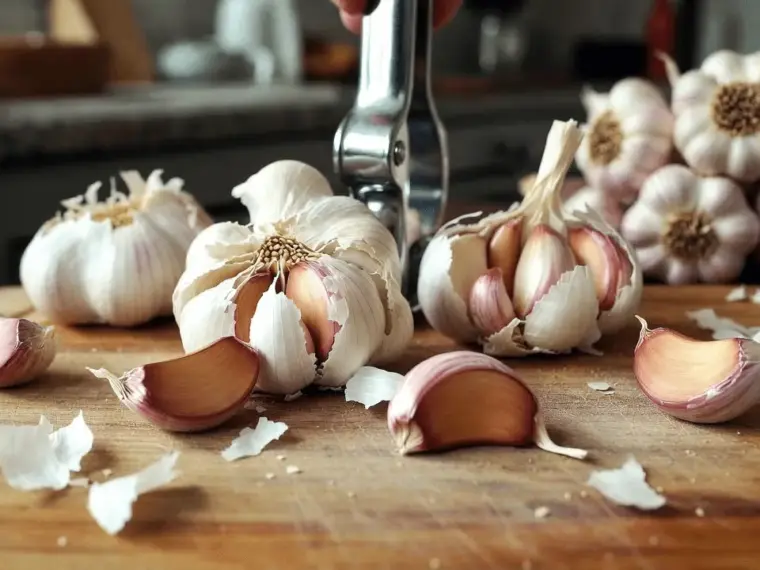
Garlic’s potential comes mainly from a compound called allicin. This forms when you crush or chop fresh garlic cloves—the enzyme alliinase reacts with alliin to produce allicin quickly.
Research has shown allicin exhibits antimicrobial activity in laboratory settings against a broad range of microorganisms. Studies indicate it can interact with thiol groups in enzymes, disrupting bacterial processes.
But here’s the key: Most evidence comes from test-tube experiments, not real-world human applications. Allicin is unstable and breaks down rapidly, so its effects in the body may differ.
That’s not all…
Examining the Viral Claim: 14 Bacteria and 13 Infections
Those specific numbers—”14 types of bacteria and 13 types of infections”—appear in many social media memes, often with photos of garlic bulbs. However, scientific reviews don’t pinpoint exact matches to these figures.
One study noted garlic oil showing activity against 14 enteric pathogens in lab tests, but that’s one example, not a definitive count. Broader research describes allicin affecting Gram-positive and Gram-negative bacteria, including strains like E. coli, Staphylococcus aureus, and even some multidrug-resistant ones.
The “13 infections” part seems less traceable—possibly an exaggeration or misinterpretation of antifungal, antiviral, or antiparasitic findings. Garlic compounds have shown lab activity against fungi like Candida and some viruses, but not tied to exactly 13 types.
The truth is, while garlic demonstrates broad-spectrum activity in controlled studies, these claims oversimplify the data. No major review confirms those precise numbers as a standard fact.

What Does Science Say About Garlic’s Antimicrobial Properties?
Numerous studies have explored garlic extracts and allicin:
- Lab tests show inhibition against common pathogens, including antibiotic-resistant strains.
- Some research highlights potential against biofilms—protective layers bacteria form.
- Animal studies suggest supportive roles, but human clinical trials are limited and mixed.
For instance, reviews note promising in vitro results, but emphasize the need for more research on bioavailability—how much actually reaches target sites in the body.
Here’s a quick comparison of garlic’s lab activity:
| Property | Evidence from Studies | Notes |
|---|---|---|
| Antibacterial | Active against Gram+ and Gram- bacteria | Stronger in fresh crushed form |
| Antifungal | Effective against Candida in tests | Potential for yeast-related issues |
| Antiviral/Antiparasitic | Some activity noted | Less extensive data |
| Against Resistant Strains | Promising in lab | Not a replacement for antibiotics |
This isn’t exhaustive, but it shows garlic’s potential without overpromising.
And the interesting part? Fresh garlic often outperforms supplements because allicin forms on demand.

Simple Ways to Incorporate Garlic Into Your Daily Routine
If you’re interested in exploring garlic’s natural properties, start with fresh options. Here are practical tips:
- Crush and wait: Chop or crush cloves and let them sit 10-15 minutes before cooking—this maximizes allicin formation.
- Add to meals: Include raw or lightly cooked garlic in salads, dressings, or finishes for dishes.
- Start small: Begin with 1-2 cloves per day to avoid digestive discomfort.
- Combine wisely: Pair with honey or olive oil for soothing preparations.
- Store properly: Keep bulbs in a cool, dry place for best potency.
These habits are easy to adopt and may support overall wellness alongside a balanced diet.
But remember, consistency matters more than large doses.
Potential Benefits Beyond Antimicrobial Support
Garlic isn’t just about microbes—studies suggest it may contribute to heart health, antioxidant effects, and immune modulation. That’s why it’s been a staple in traditional practices worldwide.
The most exciting discoveries often

Conclusion: A Balanced View on Garlic’s Role
come from everyday foods like this.
Garlic shows intriguing antimicrobial properties in scientific studies, particularly through allicin, offering natural support worth considering in your wellness routine. However, the specific claim of killing 14 bacteria and 13 infections appears exaggerated and not directly supported by evidence.
Incorporating fresh garlic can be a flavorful, supportive habit—but it’s not a miracle solution.
Stay curious, listen to your body, and enjoy the journey toward better habits.

Frequently Asked Questions (FAQ)
1. Is raw garlic better than cooked for potential benefits?
Yes, raw or lightly crushed garlic preserves more allicin, as heat can reduce its formation. Studies often use fresh extracts for stronger effects.
2. Can garlic replace antibiotics?
No—while lab studies show activity, garlic should not replace prescribed treatments. Always consult a healthcare professional for infections.
3. How much garlic is safe to consume daily?
Most people tolerate 1-2 cloves daily well. Higher amounts may cause stomach upset or interact with medications.
Disclaimer: This article is for informational purposes only and is not intended to diagnose, treat, cure, or prevent any disease. Always consult with a qualified healthcare provider before making changes to your diet or health routine, especially if you have underlying conditions or take medicatio