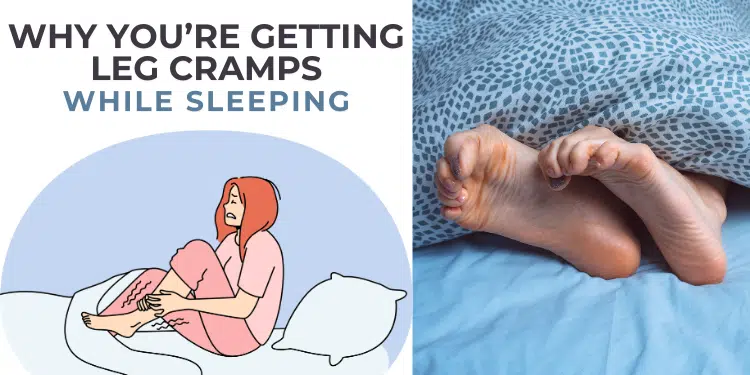
Few things are as startling and painful as a sudden leg cramp in the middle of the night.
One moment you’re resting peacefully, and the next you’re jolted awake by a sharp, tightening muscle that refuses to relax.
Nighttime leg cramps affect millions of people, and while they may seem random, they almost always have an underlying cause.
These cramps – often striking the calves, feet, or thighs – occur when a muscle contracts involuntarily and stays locked in a painful spasm.
They can last seconds or even minutes, leaving the affected muscle sore the next day. Many people assume they are just part of aging or stress, but in reality, several hidden factors trigger them.
Here’s why you’re getting leg cramps while sleeping – and the secret to finally stopping them.
What Really Causes Nighttime Leg Cramps?
Nighttime leg cramps are rarely caused by a single issue. Most people experience them due to a combination of muscle fatigue, mineral imbalances, dehydration, circulation issues, or nerve problems.
Understanding the root cause is the key to preventing them.
Below are the most common and most overlooked reasons.
1. Electrolyte Imbalances (Magnesium, Potassium, Calcium)
Electrolytes help your muscles contract and relax smoothly. When levels drop – especially magnesium, potassium, or calcium – muscles become more sensitive and prone to cramping.
This is one of the leading causes of nighttime cramps.
Signs you may be low in these minerals include:
- twitching muscles
- fatigue
- poor sleep
- frequent cramps after exercise
- restless legs at night
Magnesium deficiency alone is extremely common and directly linked to nighttime leg cramping.
2. Dehydration During the Day
Most people don’t drink enough water, especially in the evening. Dehydration leads to thicker blood and less efficient muscle function.
Muscles lacking proper hydration seize up more easily – especially at night when the body is resting.
Even mild dehydration can trigger cramps in already tired muscles.
3. Poor Circulation
When blood flow to the legs is restricted, muscles do not receive enough oxygen or nutrients. At night, when you lie still for hours, circulation can slow further, causing muscles to tighten.
Cold feet, numbness, or tingling often accompany circulation-related cramps.
4. Sitting or Standing for Long Periods
Sedentary work, long drives, or standing all day makes leg muscles stiff and prone to spasms.
Lack of movement reduces blood flow and increases muscle fatigue, both of which trigger nighttime cramping.
5. Overworked Muscles During Exercise
Intense workouts, long walks, running, or strength training can exhaust leg muscles.
Without proper stretching or hydration afterward, fatigued muscles cramp during the night as they attempt to recover.
6. Nerve Compression
A compressed nerve in the spine or leg can cause sudden, sharp leg cramps at night. This is especially common if you experience lower back pain or sciatica.
Pain that radiates, tingles, or feels electric points toward a nerve-related issue.
7. Sleeping Positions That Restrict Blood Flow
Certain positions – like pointing your toes downward, sleeping on your stomach, or crossing your legs – shorten calf muscles and reduce circulation.
This constant tension increases the likelihood of cramping.
8. Medications That Affect Muscle Function
Some medications, including diuretics, cholesterol drugs, and blood pressure medications, can deplete minerals or interfere with nerve function, increasing cramping risk.
9. Age-Related Muscle Changes
As we age, muscles naturally shorten and lose flexibility. Combined with reduced activity and lower mineral reserves, nighttime cramps become more common for older adults.
The Secret to Stopping Nighttime Leg Cramps
Nighttime leg cramps may be painful, but the solution is surprisingly simple. By addressing the underlying causes – especially mineral deficiency and poor circulation – most people experience rapid relief.
Here are the key strategies that truly work.
1. Restore Magnesium Levels (The Most Effective Remedy)
Magnesium is the number one mineral your muscles need to relax properly. When levels drop, muscles tighten, spasm, and cramp.
Most people are deficient without knowing it.
To restore magnesium:
- eat magnesium-rich foods (spinach, almonds, pumpkin seeds, avocados)
- take a high-absorption supplement like magnesium glycinate
- use topical magnesium oil on legs before bed
- soak feet in warm Epsom salt water (magnesium sulfate)
Many people experience dramatic improvement within a week of restoring magnesium.
2. Increase Potassium and Calcium
Potassium supports electrical impulses in the muscles, while calcium helps them contract and relax evenly.
Add potassium-rich foods such as:
- bananas
- sweet potatoes
- tomatoes
- coconut water
For calcium, include:
- yogurt
- leafy greens
- almonds
Combined with magnesium, these minerals keep muscles balanced and cramp-free.
3. Hydrate More – Especially in the Evening
Drink water consistently throughout the day and ensure you hydrate before bed. Add electrolytes if you sweat often or live in a warm climate.
Hydrated muscles are relaxed muscles.
4. Stretch Your Legs Before Bed
A 2-minute stretch routine can stop cramps from occurring overnight. Focus on:
- calves
- hamstrings
- ankles
- thighs
These stretches improve circulation and release muscle tension, preventing sudden spasms.
5. Improve Circulation While Sleeping
Try:
- elevating your legs slightly
- using a warm heating pad on the calves
- avoiding sleeping positions that point toes downward
Good nighttime circulation is essential for preventing cramps.
6. Massage with Warm Oil
Massaging legs with warm olive, rosemary, or magnesium oil loosens muscle fibers and boosts blood flow. Doing this before bed is especially helpful for chronic leg cramp sufferers.
7. Avoid Overexertion Late in the Day
If you exercise intensely, space workouts earlier so muscles have time to recover. Pair movement with hydration and stretching.
8. Check Your Medications if Cramps Are New
If cramps appeared suddenly after starting a new prescription, ask your doctor about mineral depletion or dosage adjustments.
When to Worry About Leg Cramps
Nighttime leg cramps are usually harmless, but certain signs may indicate an underlying condition:
- swelling or redness in the leg
- sudden cramps after long travel (risk of blood clot)
- frequent numbness or tingling
- cramps accompanied by back pain
Most people, however, simply need hydration, better mineral balance, and improved circulation.
Nighttime leg cramps can ruin your sleep and leave you sore the next morning – but they are highly preventable.
The primary causes are usually simple: dehydration, poor circulation, overworked muscles, and magnesium deficiency.
Once you correct these root issues, your muscles finally relax instead of tightening painfully during the night.