
Poached eggs are so simple — just an egg cooked in water, isn’t it? My kids are crazy about them. But if you’ve ever some them and ended up with a stringy mess or an overcooked yolk, you know that they take a little finesse. I was wrong: There is no reason to believe poached eggs can be made only by professional chefs or breakfast wizards. My first tries were terrible — the yolks broke, the eggs became oddly shaped and I ended up with something resembling egg soup.
I struggled like hell to find the answer for many mistakes … then I found it. No fancy gadgets or vinegar tricks that don’t really work are needed here. Follow this simple technique and your poached eggs will turn out perfect every time.
What Makes a Perfect Poached Egg?
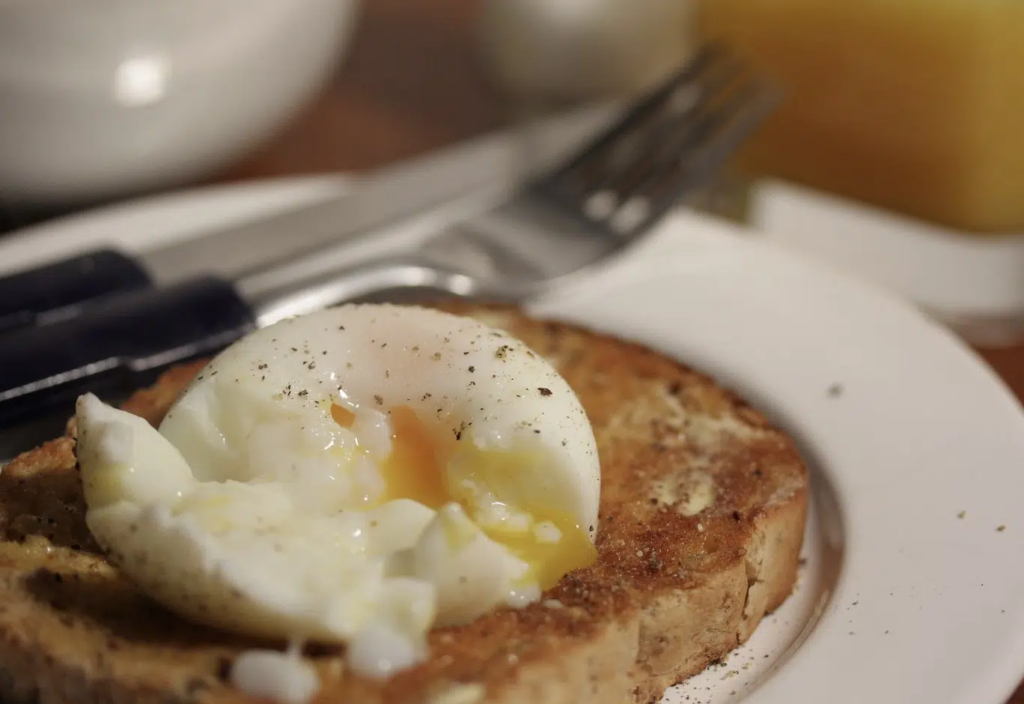
A great poached egg has a firm, silky white that wraps its yolk up very neatly and doesn’t stray without being rubbery, a runny yolk that gushes out lavishly when cut into or broken, and a smooth, compact shape, as opposed to being the egg-y equivalent of a handkerchief strewn to dry on a line. This is not as difficult as it sounds if you know how to do it.
What You Need to Poach Eggs
Before you begin, collect your materials. You’ll need fresh eggs, a medium or large saucepan filled with water, a fine mesh strainer (optional, but so helpful), a spoon to handle the egg tenderly, and a small bowl to crack into before sliding the egg into the water. That’s it. No vinegar, no fancy swirling tricks, just good technique.
Step-by-Step Guide to Perfect Poached Eggs
Step 1: Heat the Water
Fill a saucepan with about three inches of water and bring it to a gentle simmer. You want tiny bubbles rising to the surface, not a rolling boil. If the water is too hot, the egg will break apart. If it’s too cold, it won’t cook properly.
Step 2: Crack the Egg into a Bowl
Instead of cracking the egg directly into the water (most people do like this, including my hubby), crack it into a small bowl first. This makes it easier to gently slide the egg in without breaking the yolk. No one wants broken yolk. That’s the whole point.

Step 3: Use a Strainer
This trick makes a huge difference. Strain the egg through a fine mesh strainer for a few seconds before adding it to the water. This removes the watery, thin part of the white that usually causes those wispy strands. What you’re left with is the firmer, thicker part of the egg white that holds its shape much better.
Step 4: Gently Add the Egg to the Water
Once the water is at a gentle simmer, carefully slide the egg in. Some people like to swirl the water first to create a vortex, but it’s not really necessary. If you strained the egg first, it will naturally stay together.
Step 5: Let It Cook
Don’t touch the egg or stir. Don’t poke at it. Just let it do its thing. The egg should cook for three to four minutes until the whites are fully set but the yolk is still soft. If you like a firmer yolk, leave it in for another minute.
Step 6: Remove and Drain
Use a slotted spoon (or something like that) to gently (very gently) lift the poached egg out of the water. Let it drain for a moment on a paper towel or a clean dish towel to remove any excess water. One of the important parts, btw.
Step 7: Serve and Enjoy
Poached eggs are best eaten immediately. It’s simple in my household. Kids can’t wait to eat them either way. They are like “can we eat them already, mommy”. I place them on toast, over avocado, or on top of a salad. Sprinkle with a little salt and pepper, and enjoy that glorious, runny yolk moment.

Troubleshooting: What Can Go Wrong?
If your poached eggs aren’t coming out right, here’s what might be happening.
If your whites are wispy and stringy (ewww), your eggs are too old, or you failed to strain them before poaching. Use extra plain fresh eggs, patch them well, and resort to the strainer trick. Drop the egg into the butter (yummy), then immediately cover the skillet and check that the water is no longer boiling too hard. Keep it at a gentle simmer. If the eggs are rubbery, you cooked them too long. Keep it at three or four minutes. So many things to remember! If your egg sticks to the bottom, your pan might have been too shallow. A deeper pot with more water should work, try that.
Bonus Tips for the Best Poached Eggs
You want the freshest eggs possible. The whites of eggs are still looser for old eggs; they may be used only for scrambled eggs. Poach one egg at a time. If they are crowded too closely together, they may stick or cook unevenly. Don’t skimp on draining on paper towel. It makes sure your toast doesn’t get soggy. Use an ice bath if you are making a batch all at once. Poached eggs can also be made ahead and are best served about 30 seconds after being reheated in warm water after being dunked back into warm water after being dunked in an ice bath.

Poached eggs can become another one of those things that seem intimidating and difficult at first, but then you do it a couple of times and it’s sort of a breeze. They lend a relatively fancy note to breakfast without too much extra effort, and they’re healthier than fried eggs, because there’s no added oil or butter.
If you have had trouble poaching eggs in the past, try this technique. It’s just fresh eggs, gentle simmering and a little patience.