
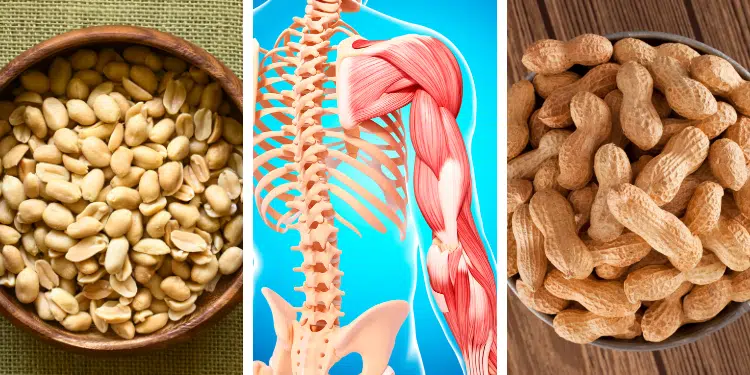
Peanuts are one of the most widely consumed foods in the world – crunchy, affordable, flavorful, and packed with nutrients that many people overlook.
Although technically legumes (not true nuts), peanuts behave nutritionally like tree nuts and are rich in protein, healthy fats, antioxidants, vitamins, and minerals that support many areas of health.
But what happens when you eat peanuts every single day? The answer may surprise you.
1. Peanuts Boost Heart Health and Improve Circulation
Daily peanut consumption has been strongly associated with a healthier heart. Peanuts are rich in monounsaturated and polyunsaturated fats – the same heart-supporting fats found in olive oil and avocados.
These fats help reduce LDL (“bad”) cholesterol while supporting HDL (“good”) cholesterol.
Peanuts also contain:
- Resveratrol, a heart-protective antioxidant
- Arginine, an amino acid that helps relax blood vessels
- Magnesium, which supports proper heartbeat and muscle function
When blood vessels relax and circulation improves, blood pressure and stress on the cardiovascular system decrease. Over time, this reduces the risk of heart attack and stroke.
Numerous studies show that people who eat peanuts regularly have a lower risk of developing cardiovascular disease. The combination of fiber, antioxidants, and healthy fats makes peanuts a powerful food for long-term arterial health.
2. They Help Stabilize Blood Sugar Levels
Despite being energy-dense, peanuts have a naturally low glycemic index, meaning they do not cause a sharp spike in blood sugar levels.
Their balance of fiber, protein, and healthy fats slows digestion and keeps glucose release steady.
Eating peanuts daily can:
- Improve insulin sensitivity
- Reduce sugar cravings
- Prevent mid-day energy crashes
- Support healthy metabolism
For individuals with prediabetes or blood sugar imbalances, peanuts can be a stabilizing food when eaten in moderation.
They also help slow the absorption of carbohydrates when consumed together with high-carb meals, which helps prevent blood sugar spikes.
3. Peanuts Support Weight Management and Reduce Hunger
Many people avoid peanuts because they’re high in calories – but the science shows the opposite of what you’d expect.
Regular peanut consumption is linked to lower body weight, reduced waist circumference, and improved metabolic health.
Why? Because peanuts are incredibly satiating. The combination of protein, fat, and fiber sends strong fullness signals to the brain.
Daily peanut eaters often:
- Snack less frequently
- Crave fewer sweets
- Feel fuller for longer
- Maintain a more stable appetite
Peanuts also stimulate thermogenesis, meaning the body burns slightly more calories after eating them. This effect, combined with appetite control, makes peanuts a surprisingly effective food for weight stability.
4. They Provide Plant Protein for Better Muscle Strength
TO CONTINUE READING THE ARTICLE PLEASE SEE PAGE 2