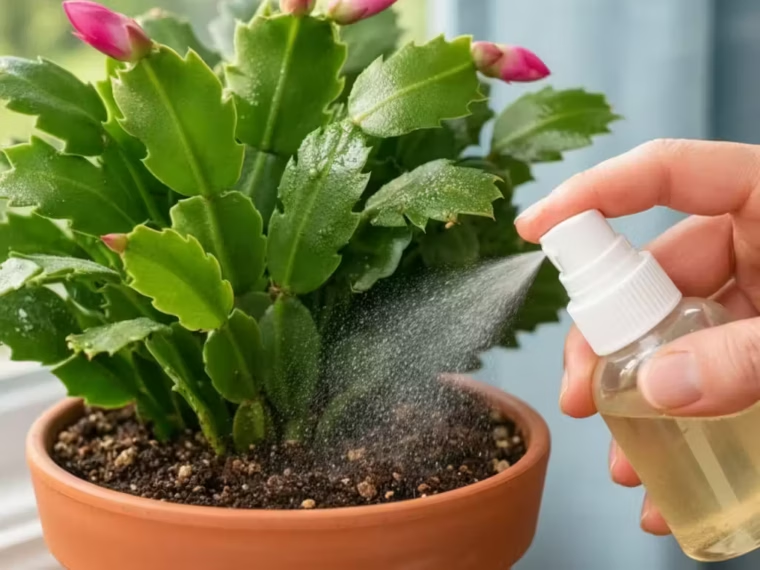
It is a common frustration for indoor gardeners: one day your Christmas cactus (Schlumbergera) is vibrant and upright, and the next, its segments appear limp, wrinkled, and tired. Because these plants are tropical epiphytes rather than desert cacti, their needs are specific, and drooping is almost always a silent cry for help regarding their root environment or nutrient intake.
While many assume a drooping plant simply needs more water, the issue is often more complex—ranging from compacted soil to a lack of essential minerals. Before you consider tossing your plant, there is a specialized DIY mix designed to stabilize the soil and provide a rapid boost of the nutrients these holiday favorites crave.
Understanding Why the Droop Happens
To fix the problem, you must first understand the cause. A Christmas cactus usually droops for three primary reasons:
- Improper Hydration: Both underwatering and overwatering cause drooping. Overwatering is particularly dangerous as it leads to root rot, preventing the plant from absorbing any moisture at all.
- Soil Depletion: Over time, the organic matter in potting soil breaks down, becoming compacted and losing its ability to hold oxygen and nutrients.
- Nutrient Deficiency: During the blooming season, the plant exhausts its stores of potassium and magnesium. Without a boost, the segments lose their turgidity (firmness).
The DIY “Revival Mix”: Ingredients and Benefits
This natural, homemade solution focuses on restoring soil aeration and providing a slow-release nutrient boost that mimics the plant’s natural rainforest habitat.
The Components:
- Used Coffee Grounds (Dried): These provide a gentle boost of nitrogen and slightly increase soil acidity, which Christmas cacti prefer.
- Crushed Eggshells: A vital source of calcium, eggshells help strengthen the cell walls of the plant segments, making them less likely to go limp.
- Perlite or Coarse Sand: Essential for immediate physical restoration of the soil, ensuring that oxygen can reach the roots.
- Banana Peel Water: By soaking banana peels in water for 24 hours, you create a potassium-rich liquid that helps the plant regulate water pressure within its segments.
How to Apply the Treatment
Follow these steps to bring your plant back to life without the shock of a full repotting.
1. Aerate the Soil Before adding anything, use a chopstick or a small skewer to gently poke holes into the soil. Be careful not to damage the main root ball. This allows the DIY mix and oxygen to penetrate the compacted earth.
2. The Dry Amendment Mix two tablespoons of dried coffee grounds with one tablespoon of finely crushed (powdered) eggshells. Sprinkle this mixture over the surface of the soil and use a fork to lightly work it into the top inch of the medium.
3. The Drainage Boost If the soil looks particularly heavy or “mucky,” sprinkle a thin layer of perlite over the top. This will eventually wash down into the aeration holes you created, preventing future compaction.
4. The Potassium Soak Water the plant using your prepared banana peel water. This liquid acts as a “fast-acting” tonic. Ensure that any excess water drains completely out of the bottom of the pot; never let the plant sit in a saucer of water.
Long-Term Recovery and Maintenance
After applying this mix, place your Christmas cactus in a spot with bright, indirect light. Avoid moving it frequently, as this can cause further stress. You should begin to see the segments “plump up” within 7 to 10 days as the roots begin to absorb the fresh nutrients and the soil structure improves.
Pro Tip: To prevent the droop from returning, only water the plant when the top inch of soil feels dry. During the winter months, these plants enjoy a boost in humidity, so placing a tray of water and pebbles nearby can keep the segments firm and healthy.
By using this easy DIY approach, you address both the physical and nutritional needs of your cactus, ensuring it stays strong enough to produce those iconic holiday blooms year after year.