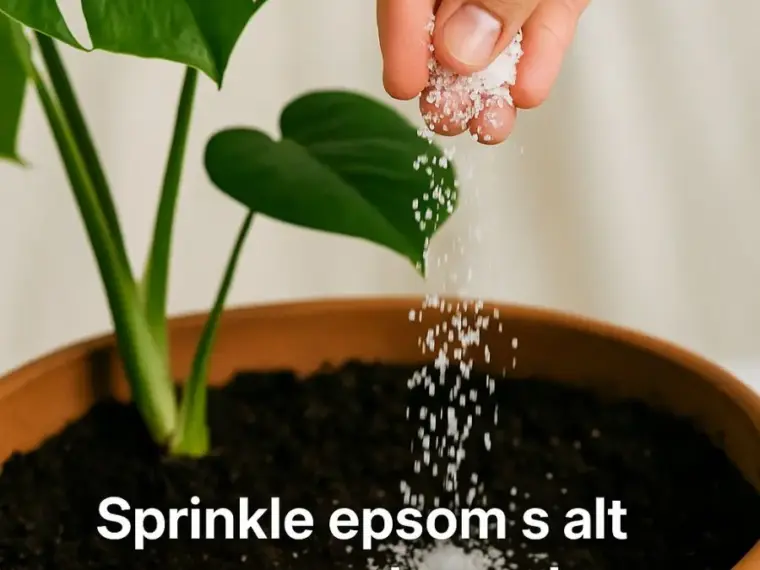
Houseplants bring a slice of nature indoors, enhancing our living spaces with their beauty and the oxygen they produce. However, maintaining their lush appearance and robust health can sometimes be challenging, especially when they show signs of nutrient deficiencies.
One simple and inexpensive solution that has gained popularity among plant enthusiasts is the use of Epsom salt. Known for its rich magnesium content, Epsom salt can work wonders on your indoor plants. Let’s delve into how this common household item can transform your greenery.
1. Why Epsom Salt Has Become a Viral Houseplant Hack
Epsom salt, chemically known as magnesium sulfate, has made waves in the houseplant community due to its dual benefits of magnesium and sulfur, two vital nutrients for plant health. Magnesium is a core component of chlorophyll, the green pigment crucial for photosynthesis, while sulfur plays a role in forming essential plant proteins.
For houseplant enthusiasts, Epsom salt offers an easy-to-use, safe, and cost-effective way to provide these essential nutrients. A typical recommendation is to dissolve 1 tablespoon of Epsom salt in a gallon of water and use this solution to water your plants once a month. This straightforward method has become a favorite hack, especially for those looking to give their plants a quick nutrient boost.
2. Boosting Leafy Green Growth With Extra Magnesium
Magnesium is a vital element in plant growth, particularly for leafy greens. It plays a crucial role in the photosynthesis process by enabling plants to convert sunlight into energy. By using Epsom salt, you can ensure that your houseplants receive an adequate supply of magnesium.
For plants showing signs of stunted growth or pale leaves, a magnesium boost can make a significant difference. Regularly watering with an Epsom salt solution can help rejuvenate these plants, promoting healthier and more vigorous growth. This is especially beneficial for plants like ferns and palms, which are known for their lush foliage.
3. Deepening Foliage Color for Rich, Lush Greens
One of the most noticeable benefits of using Epsom salt on houseplants is the deepening of foliage color. Magnesium is a key component of chlorophyll, and an abundant supply can enhance the green pigment in leaves.
For houseplants that display pale or yellowish leaves, adding Epsom salt to the watering routine can help restore their vibrant green color. Regular applications, such as once a month, can ensure that your plants maintain their lush, healthy appearance, making them a striking feature in your home decor.
4. Reviving Sad, Yellowing Plants Showing Magnesium Deficiency
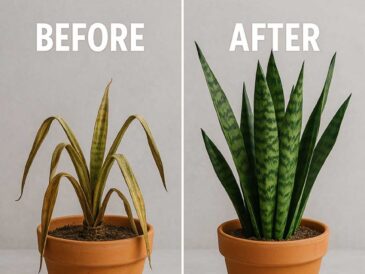
Yellowing leaves can often indicate a magnesium deficiency, a common issue in many houseplants. Epsom salt is an effective remedy for this problem, as it quickly provides the magnesium needed by the plants.
To tackle yellowing, dissolve 1 tablespoon of Epsom salt in a gallon of water and apply it directly to the soil or as a foliar spray. Over time, you should notice a significant improvement in your plant’s color and overall health, as the magnesium helps revitalize the leaves and promote new growth.
5. Encouraging Bushier Growth and Fuller Indoor Jungles
Epsom salt can also encourage bushier growth in houseplants, leading to a fuller, more lush appearance. This is particularly beneficial for plants like pothos and spider plants, which are popular for their trailing vines and abundant foliage.
By providing magnesium, Epsom salt supports the plant’s metabolic processes, leading to more robust growth. Regular applications of Epsom salt solution can help your plants grow thicker and more densely, turning a sparse collection of plants into a thriving indoor jungle.
6. Supporting Stronger Roots and Better Nutrient Uptake
Healthy roots are the foundation of any thriving plant, and Epsom salt can play a role in strengthening this foundation. Magnesium aids in the absorption of other essential nutrients, such as nitrogen and phosphorus, which are crucial for root development.
When you water your plants with an Epsom salt solution, you not only provide them with magnesium but also enhance their ability to take up other nutrients from the soil. This leads to stronger roots, improved nutrient uptake, and ultimately, healthier and more resilient plants.
7. Helping Plants Bounce Back From Transplant Shock
Transplanting can be a stressful process for houseplants, often resulting in transplant shock, where the plant struggles to adapt to its new environment. Epsom salt can help mitigate this stress by providing essential nutrients that support recovery.
After transplanting, water your plants with a solution of 1 tablespoon of Epsom salt in a gallon of water. This will supply the magnesium needed to aid in root establishment and reduce the symptoms of transplant shock. The result is a quicker recovery and a smoother transition to the new pot or location.
8. Deterring Certain Pests With Strategic Epsom Salt Use
While not a pesticide, Epsom salt can help deter certain garden pests when used strategically. Its abrasive texture and mineral content can be unpleasant for pests like slugs and snails.
To use Epsom salt as a pest deterrent, sprinkle a small amount around the base of your houseplants. This creates a barrier that pests are less likely to cross, helping to keep your plants safe from unwanted visitors. Additionally, the magnesium and sulfur in Epsom salt can discourage some pests by creating a less hospitable environment.
9. Supercharging Popular Houseplants Like Monstera and Pothos
Monstera and pothos are beloved for their striking leaves and easy-care nature. However, these plants can benefit greatly from the addition of Epsom salt to their care routine.
Both plants thrive with the extra magnesium provided by Epsom salt, which supports their vigorous growth and enhances the vibrancy of their foliage. By incorporating Epsom salt into their watering schedule, you can ensure that these popular houseplants continue to be standout features in your home.
10. Easy DIY Epsom Salt Sprays and Watering Mixes
Creating your own Epsom salt solutions is simple and cost-effective. For a basic watering mix, dissolve 1 tablespoon of Epsom salt in a gallon of water and use it to water your plants once a month.
For a foliar spray, mix 1 teaspoon of Epsom salt with a quart of warm water in a spray bottle. Apply this mixture directly to the leaves of your plants, allowing them to absorb the magnesium more efficiently. These DIY solutions provide an easy way to deliver the benefits of Epsom salt directly to your plants.
11. How to Avoid Overdoing It and Harming Your Plants
While Epsom salt can be beneficial, it is possible to overuse it, leading to an imbalance of nutrients in the soil. Excessive magnesium can interfere with the uptake of other essential nutrients, such as calcium and potassium.
To avoid overdoing it, stick to the recommended amounts and frequency of application. Typically, once a month is sufficient for most houseplants. Observe your plants for any signs of nutrient imbalance, such as leaf burn or discoloration, and adjust your usage accordingly to maintain healthy plant growth.
12. When Epsom Salt Won’t Help and What to Do Instead
Epsom salt is not a cure-all, and there are situations where it may not address the underlying issues affecting your plants. For example, if your plant’s problems stem from inadequate lighting, poor soil quality, or pests, Epsom salt will not be effective.
In such cases, assess your plant’s overall care routine and environment. Ensure your plants receive proper lighting, use high-quality potting soil, and address any pest issues promptly. By taking a holistic approach to plant care, you can create the best conditions for your houseplants to thrive.