If you spend any time in gardening groups, you’ve probably seen the same debate pop up over and over: “Can I put coffee grounds in my garden?”
The replies are usually full of excitement. Some people swear it’s the secret to huge tomatoes and perfect roses. Others say it’s the best free fertilizer you’ll ever find.
But once you look past the personal stories, the truth is more complicated than the hype—and in many cases, completely different from what you’ve been told.
The Nitrogen Confusion
Coffee grounds are often labeled as “nitrogen-rich,” and technically, they are. They contain around 2% nitrogen by weight.
But here’s the part most people miss:
Your plants can’t access that nitrogen right away.
When you spread fresh coffee grounds on soil, microorganisms jump in to break them down. Those microbes need nitrogen to do their job, so they pull it from the soil around them. That process, called nitrogen immobilization, temporarily robs your plants of nitrogen instead of feeding them.
Once coffee grounds are fully composted, that nitrogen becomes available.
But using fresh grounds around tomatoes, roses, or any other plant can actually leave them short on nutrients in the short term.
Are Coffee Grounds Really Acidic?
A common claim is that coffee grounds are perfect for acid-loving plants like blueberries or azaleas. But this is mostly a misunderstanding.
- Used coffee grounds are close to neutral, with a pH around 6.5–6.8. The brewing process removes most of the acidity into your cup of coffee.
- Fresh, unused coffee grounds are acidic, but gardeners rarely use those.
So if you’re hoping coffee grounds will lower your soil’s pH, you’ll be disappointed. For real pH changes, you’d need consistent, reliable amendments—used coffee grounds won’t get you there.
Do Certain Plants “Love” Coffee Grounds?
You may hear that specific plants benefit from coffee grounds. Here’s the clearer picture:
Roses
They do enjoy nitrogen—after it becomes available. Any well-composted nitrogen source works just as well, and often faster.
Blueberries
These plants absolutely need acidic soil, but used grounds won’t make the soil acidic enough to matter.
Hydrangeas
Their color changes depend on soil pH and aluminum availability. Coffee grounds won’t create the pH shift needed to turn pink blooms blue.
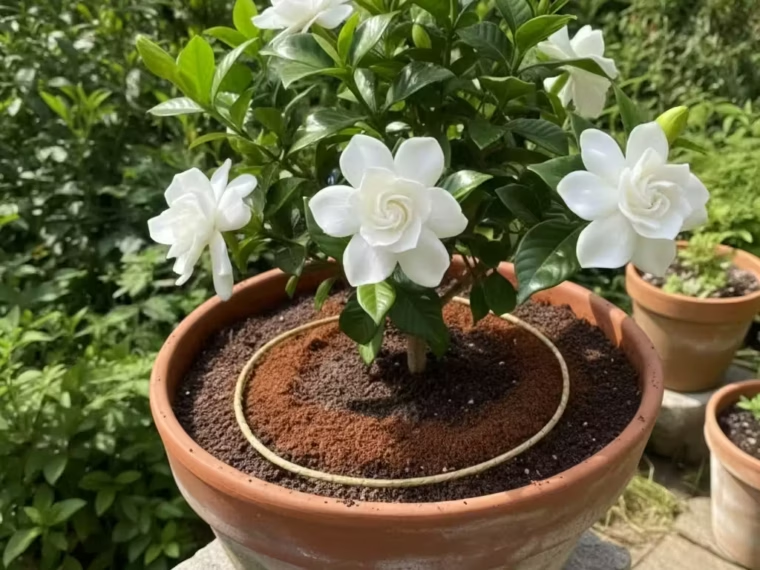
Azaleas, Rhododendrons, Camellias, Gardenias
All of these prefer acidic soil. Used coffee grounds won’t significantly change pH, though they can contribute a bit of organic matter.
Tomatoes
Tomatoes like slightly acidic to neutral soil. Once composted, coffee grounds can help a little—but fresh grounds can cause nitrogen issues.
Carrots & Radishes
Some gardeners claim coffee grounds deter pests. Most of that is anecdotal. What root crops really appreciate is loose, organic-rich soil, which compost can provide.
Evergreens
People sometimes assume evergreens love coffee grounds because they grow in forests full of decaying needles. But that comparison doesn’t hold up—coffee grounds behave very differently than pine litter.
What Coffee Grounds Actually Do
Here’s the honest, practical truth:
Coffee grounds are simply organic matter. When they’re fully decomposed, they can:
- improve soil texture
- help soil retain moisture
- add small amounts of nutrients over time
They are useful—but not in the miraculous way many gardeners describe.
Problems usually come from misusing them:
- Thick layers can form a dense, water-resistant crust
- Fresh grounds can temporarily lock up nitrogen
- Many gardeners expect pH changes that grounds can’t realistically provide
The Right Way to Use Coffee Grounds
If you want to use coffee grounds effectively, here’s the approach that truly works:
✔️ Compost First
Add grounds to your compost bin, keeping them under 20% of the mix.
Treat them as a “green” material and balance them with browns (dry leaves, cardboard, straw).
✔️ Apply Very Lightly
If you want to use them directly on soil, sprinkle a thin layer—almost a dusting—and mix it lightly into the top inch.
✔️ Avoid Big Dumps of Fresh Grounds
Those large bags from cafés shouldn’t be poured straight onto garden beds. Age them or compost them first.
✔️ Keep Expectations Realistic
Coffee grounds won’t replace fertilizer, dramatically change soil pH, or rescue a struggling plant. They’re simply a mild amendment that helps in small, gradual ways.
The Unexpected Benefit: Reducing Waste
The best part of using coffee grounds is actually environmental. Instead of throwing them into the trash, you’re returning them to the soil, where they can break down naturally.
That’s valuable—but not because they’re magical. They work just like any other compostable material.
Bottom Line: Should You Use Them?
Yes—you can use coffee grounds in your garden.
No—you shouldn’t expect them to transform your plants overnight.
When used correctly, they function like any other composted organic matter: helpful, but not special. The real lesson here is to look beyond gardening myths and understand how soil and nutrients really work.
Use coffee grounds wisely, and your garden will benefit in steady, small ways over time.
Enjoyed This? Take the Next Step!
If this breakdown helped you understand coffee grounds better, share it with someone who might still be following the old gardening myths. And if you want more simple, science-based gardening tips, keep exploring—you’ll find plenty of insights that can make your garden healthier and easier to manage.