
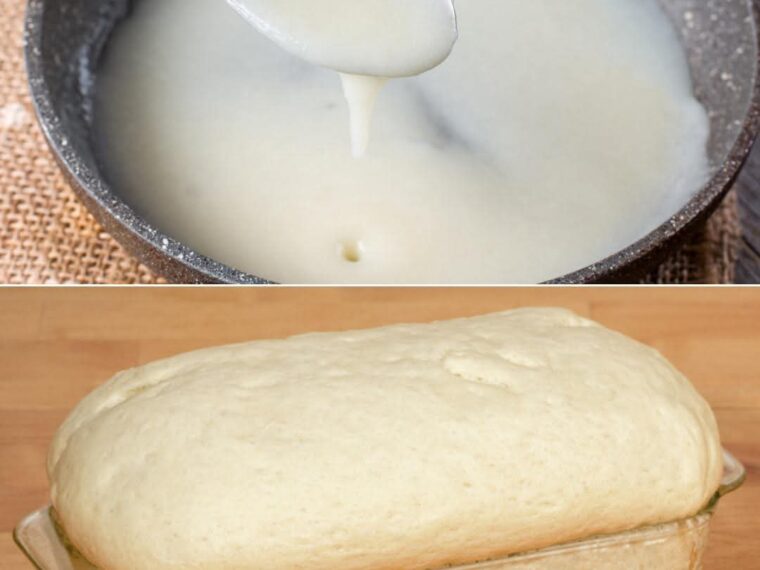
What Is Water Roux (Tangzhong) and How to Use the Japanese Bread-Making Technique
If you’ve ever wondered why Japanese milk bread (Shokupan) is incredibly soft, fluffy, and stays fresh for days, the secret lies in a simple but genius technique called Water Roux, also known as Tangzhong. This method has become popular around the world because it dramatically improves the texture, moisture, and shelf life of bread — without chemicals or preservatives.
Below is everything you need to know: what it is, how it works, and how to use it at home.
⭐ What Is Water Roux (Tangzhong)?
Water Roux, or Tangzhong, is a simple cooked paste made by heating flour and water (sometimes milk) together until they thicken to a pudding-like consistency.
Basic formula:
- 1 part flour + 5 parts liquid
Example: - 20g flour + 100g water/milk
When the mixture reaches about 65°C (149°F), the starch granules in the flour absorb more moisture. This creates a gel-like paste that locks in water inside your dough.
This hydration is what makes the bread extra soft, ultra fluffy, and slow to dry out.
⭐ Why Use Tangzhong? (Benefits)
✔ 1. Super Soft Texture
Bread made with Tangzhong is incredibly tender, with a cloud-like crumb.
✔ 2. Stays Fresh Longer
Because the bread holds moisture better, it stays soft for 3–4 days without drying out.
✔ 3. Higher Rise
The dough becomes more elastic, allowing gases to expand more easily. The result?
Beautifully risen, bakery-style bread.
✔ 4. Better Flavor & Structure
The roux improves gluten development, creating a silky dough that’s easier to knead and shape.
✔ 5. Works With Any Yeasted Bread
You can add it to:
- sandwich loaves
- buns
- rolls
- sweet breads
- dinner rolls
- brioche-style doughs
⭐ How to Make Water Roux (Tangzhong)
Ingredients
- 2 tbsp (20 g) flour
- ½ cup (100 ml) water or milk
Instructions
- Add the flour and water/milk to a small saucepan.
- Whisk well until smooth — no lumps.
- Cook over low–medium heat, stirring constantly.
- After 1–3 minutes, the mixture will thicken into a smooth paste.
- When it reaches a thick, pudding-like consistency, remove from heat.
- Let it cool to room temperature before adding to your dough.
You can refrigerate Tangzhong for up to 24 hours.
⭐ How to Add Tangzhong to Bread Dough
Here is the general rule:
- Use 5–10% of the flour in the recipe to make the roux.
Example:
If a recipe calls for 500g flour, take 25–50g flour from that amount to create the Tangzhong.
Then add the cooled paste during mixing along with the wet ingredients.
Most bakers simply add it with the milk, eggs, and melted butter.
⭐ Bread Recipes That Benefit From Tangzhong
- Japanese milk bread (Shokupan)
- Cinnamon rolls
- Dinner rolls
- Hamburger buns
- Hot cross buns
- Challah-style soft breads
- Sweet pull-apart loaves
This technique elevates even simple white bread into something bakery-perfect.
⭐ Common Questions
Does Tangzhong change the taste?
No — it only improves texture and freshness.
Can I use whole wheat flour?
Yes, but it absorbs more water, so the dough will be denser.
Can I use dairy instead of water?
Absolutely. Milk produces an even softer, richer bread.
Should I reduce the liquid in the main recipe?
Usually no — the roux does not affect the hydration of the main dough significantly.
⭐ Final Thoughts
Water Roux (Tangzhong) is one of the simplest ways to take your bread from ordinary to exceptional. With just flour and water, you get:
- softer texture
- taller rise
- moisture-rich crumb
- longer shelf-life
This Japanese-inspired method is a baker’s secret weapon — and once you try it, you’ll want to use it in every batch of bread.