3. Cabbage Loopers: A Threat to Winter Greens
If you grow leafy vegetables during winter, cabbage loopers can be a serious concern. These green caterpillars feed aggressively on crops like kale, cabbage, broccoli, and cauliflower.
What Damage Looks Like
- Large holes in leaves
- Ragged edges on greens
- Caterpillars hiding on leaf undersides
How You Can Protect Your Crops
- Cover plants with fine mesh or row covers
- Check leaves regularly and remove caterpillars by hand
- Use natural caterpillar control products if infestations grow
Early detection is key, as loopers multiply quickly when conditions allow.
4. Japanese Beetles: A Winter Problem Beneath the Soil
While adult Japanese beetles are mostly inactive during winter, their larvae remain underground. These grubs feed on plant roots, weakening plants before spring growth even begins.
Why Grubs Are Dangerous
- They damage root systems
- Plants may appear stressed or wilted
- Lawns and garden beds can develop dead patches
How You Can Reduce Grub Damage
- Turn soil during late fall or winter to expose larvae
- Apply beneficial organisms that target grubs
- Avoid overwatering, which attracts egg-laying adults later
Managing the soil now makes a noticeable difference in spring.
5. Cutworms: Silent Seedling Killers
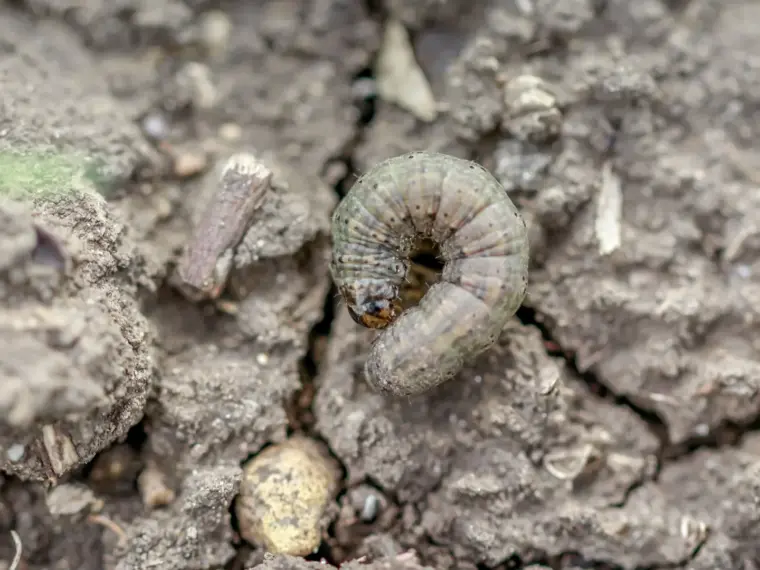
Cutworms are caterpillars that live in soil and emerge at night. They are especially harmful to young plants, cutting them off at the base.
Warning Signs
- Seedlings collapsed or severed overnight
- No visible damage on leaves
- Larvae found just below the soil surface
Prevention and Control Tips
- Remove weeds and old plant material
- Loosen soil to disturb hiding larvae
- Protect seedlings with collars or barriers
- Sprinkle natural deterrents around vulnerable plants
Cutworms prefer undisturbed soil, so winter cleanup plays a major role in prevention.
6. Grasshoppers: Preparing for Future Damage
Although adult grasshoppers usually disappear in winter, their eggs remain buried in the soil. These eggs hatch once temperatures rise, leading to sudden outbreaks.
Why Winter Action Helps
- Eggs overwinter in soil clumps
- Early control reduces population size
- Spring damage becomes easier to manage
What You Can Do
- Lightly till soil to disrupt egg clusters
- Remove tall grasses where eggs are laid
- Plan trap crops away from main garden beds
Taking action before spring limits future feeding damage.
7. Squash Bugs: Survivors in Garden Debris
Squash bugs are persistent pests that overwinter in plant debris, cracks, and sheltered areas. They return quickly once temperatures rise.
Common Problems They Cause
- Wilting leaves
- Yellowing foliage
- Reduced fruit production
How You Can Control Them
- Remove old vines and debris before winter
- Inspect undersides of leaves for egg clusters
- Hand-remove adults early in the season
- Apply natural oils to affected plants
Clean garden beds are your strongest defense.
Simple Winter Prevention Strategies That Work
Clear Out Garden Debris
Old leaves, stems, and mulch provide shelter for pests. Removing them limits hiding places and exposes insects to cold temperatures.
Improve Soil Conditions
Well-aerated soil discourages pests that rely on compact, undisturbed ground. Turning soil also exposes larvae to predators.
Protect Vulnerable Plants
Use covers, cloches, or breathable fabric to shield winter crops from insects while still allowing airflow.
Encourage Natural Predators
Birds, beneficial insects, and soil organisms help keep pest populations balanced. Avoid overusing chemicals that disrupt this natural control.
Indoor Plants Need Attention Too
Winter pests don’t only affect outdoor gardens. Indoor plants can attract aphids, mites, and mealybugs due to dry air and limited airflow.
Indoor Pest Prevention Tips
- Inspect plants before bringing them indoors
- Wipe leaves regularly to remove insects
- Increase humidity when possible
- Isolate affected plants immediately
Indoor infestations spread quickly if ignored.
Why Healthy Plants Resist Pests Better
Strong plants are naturally more resistant to insects and disease. During winter, focus on:
- Proper watering
- Balanced nutrition
- Adequate light
- Good airflow
Stress weakens plants and makes them easy targets for pests.
Common Mistakes to Avoid in Winter Pest Control
- Overwatering dormant plants
- Leaving debris piled near garden beds
- Ignoring early signs of infestation
- Using harsh chemicals unnecessarily
Simple, consistent care works better than aggressive treatments.
Final Thoughts
Winter may slow plant growth, but pests don’t disappear entirely. By staying aware and taking small preventative steps, you protect your garden from hidden damage and set yourself up for a healthier growing season ahead.
Take action today: inspect your garden, clean up problem areas, and apply one or two prevention methods from this guide. Small steps now lead to stronger plants and fewer pest problems later. If this information helped you, save it for future reference and put it to work in your garden this season.