
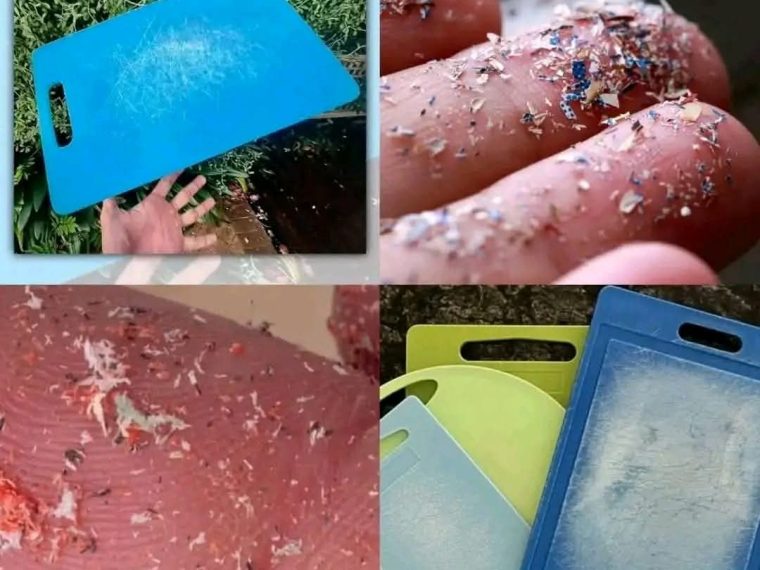
How Do Tiny Pieces of Plastic Enter Our Bodies?
1. Main Entry Routes: Ingestion & Inhalation
- Ingestion: The most significant pathway is through eating and drinking contaminated food and water. Microplastics have been detected in drinking water (especially bottled water), salt, sugar, beer, honey, tea, and various foods like fruits, vegetables, and seafood (Wikipédia, UNEP – UN Environment Programme, Science News, Food & Wine, The Times of India, Health).
Vegetables can take up microplastics from soil, aided by agricultural inputs like plastic-coated fertilizers, mulch films, and wastewater sludge used in fertilizers (Science News, UNEP – UN Environment Programme). - Inhalation: We also breathe them in. Indoor air contains high concentrations of microplastics—far more than outdoors—often from synthetic fibers in textiles, dust, and car interiors. Humans may inhale up to 68,000 microplastic particles per day (The Guardian). Once inhaled, some particles can lodge in the lungs or move deeper into the body (PMC, Biotechnologie.fr, Wikipédia).
2. Emerging Route: Dermal Contact
Though less understood, there is potential for nanoplastics (smaller than 1 µm) to penetrate the skin—especially when skin is compromised—or through products like scrubs containing plastic exfoliants (Wikipédia).
Where Do These Particles Accumulate?
Organs & Tissues Affected
- Microplastics have been detected in a wide range of organs, including the lungs, blood, liver, kidneys, placenta, breast milk, semen, stool, and even heart tissues (AAMC, Biotechnologie.fr, magazine.hms.harvard.edu, SELF, Wikipédia).
- Brain Tissues:
- A study published in Nature Medicine found up to ~7 grams of micro- and nanoplastics in human brains—equivalent to the weight of a plastic spoon (Smithsonian Magazine, New York Post, The Times of India).
- The levels rose by ~50% between 2016 and 2024 (Smithsonian Magazine, Nature, New York Post, The Times of India).
- Brains of individuals with dementia had 3 to 10 times more plastics compared to other brains (Smithsonian Magazine, Nature, New York Post, The Times of India).
- Notably, the olfactory pathway (through the nose) may allow microplastics to bypass the blood–brain barrier and infiltrate the brain more directly (rti.org).
Why Does This Matter?
- Acceleration of Accumulation: Plastic production has doubled over the past decade, likely leading to increased exposure and accumulation over time (New York Post, Smithsonian Magazine).
- Potential Health Impacts:
- Microplastics may carry endocrine disruptors, irritate tissues, induce oxidative stress or inflammation, and alter cellular and metabolic function (PMC, Food & Wine, Health, New York Post, The Guardian, magazine.hms.harvard.edu, UNM HSC Newsroom).
- Correlations exist between microplastics and health issues—from cardiovascular risk to cognitive impairment in animal models—though causal links in humans are not yet established (AAMC, The Washington Post, UNM HSC Newsroom, Food & Wine, Health, The Times).
Summary Table
| Route of Entry | Mechanism |
|---|---|
| Ingestion | Contaminated food, water, salt, produce; environmental contamination from agriculture |
| Inhalation | Indoor air laden with fibers/dust; vehicle cabins; synthetic textiles |
| Dermal (potential) | Nanoplastics in personal care products or through damaged skin (less established) |
| Brain Uptake | Through bloodstream or olfactory route; accumulation in brain tissues, rising over time |
What Can You Do?
While research continues, practical measures can help reduce exposure:
- Choose glass or metal containers instead of plastic, especially for hot beverages and food storage.
- Limit use of plastic packaging, and avoid heating food in plastic.
- Improve indoor air quality—use HEPA vacuums, air filters, and opt for natural fabrics over synthetics.
- Cut down on single-use plastics and processed foods (Health, SELF, Marie Claire UK, The Times).
The evidence is clear: microplastics are entering our bodies—through food, air, and possibly skin—and accumulating in our organs, including the brain. Though we’re still uncovering how harmful they are, the trend is concerning and warrants attention and action.